

Mint is a common herb used in various cuisines. The refreshing leaves shine with their own brightness. For centuries, across cultures, mint adds flavors to foods. Even protagonists brought mint to America for its versatile qualities. The aroma refreshes us instantly. The leaves are natural healer. They are popular as traditional medicine.
An all-rounder can complete tasks in surprising ways. Mint is a natural all-rounder, can amaze us with various features. A small amount is enough to deliver its potential.
Hi! We are My Organic Body & Diet (MyOrganicBD). A team of writers, doctors, nutritionists, microbiologists and health professionals. We work passionately to provide you with insightful information that can enhance your regular life. Today, Mint, the natural all-rounder is our team member. We aim to answer your questions about this mighty herb.
In this article, we will discover mint’s history, health benefits, uses and other attributes.
Get ready for a cool boost. Let’s dive in!
What is Mint?
Mint is a leafy herb. Popular for its refreshing aroma. The cooling feature of mint brings instant freshness. Scientifically, it is known as Mentha. Mint belongs to the Lamiaceae family.
There are various types of mint. Among them, peppermint, spearmint and field mint are the most common and widely used varieties. Peppermint (Mentha × piperita) is a natural hybrid of water mint and spearmint. People widely use it to support digestion, relieve headaches, and in dietary supplements.
Spearmint (Mentha spicata) is a common ingredient in cooking, teas, or beverages. Field mint (Mentha arvensis) is native across parts of Europe and Asia, with a range extending to Kamchatka and Nepal. 33333 In Asian regions, it has a popular name, “Pudina”. Traditional uses as remedy or in daily cooking, Pudina is a common member in Asian kitchens.
What is the brief history of Mint?
Mint has been popular since the ancient era. Mint has been used for thousands of years, including in ancient Mediterranean civilizations. Different mint species have different native ranges, so the genus cannot be traced to a single place or date of origin.. Ancient Egyptians, Greeks and Romans used it for various purposes. Egyptians used it for digestion and breath freshening. Greeks and Romans used this herb for aroma and flavor. Culinary uses or remedies, mint was a part of every aspect. Mint is present in mythology and religious practices as well! In Greek mythology, the nymph Mentha was transformed into a mint plant. In the Bible, mint was used as a tithe, showing its economic and cultural value.
Mint is easy to cultivate. It needs moist and fertile soil. It grows well in pots or containers. Regular trimming regulates healthy growth. Mint needs sunlight, but partial shade is best. Mint is easy to harvest with minimal care. This ancestral practice keeps mint alive in modern generations.
What are the nutrients of Mint?

Spearmint is the most common and available among us. Let’s have a look at the nutritional data of spearmint as per U.S. Department of Agriculture (USDA).
Fresh spearmint contains small amounts of fiber, vitamins, and minerals. Because mint is usually eaten in small portions, its main culinary contribution is flavor rather than a substantial share of daily nutrient needs.
| Name | Amount | Unit |
| Water | 9.76 | g |
| Energy | 5.02 | kcal |
| Protein | 0.375 | g |
| Total lipid (fat) | 0.083 | g |
| Carbohydrate | 0.959 | g |
| Dietary Fiber | 0.775 | g |
| Calcium | 22.7 | mg |
| Iron | 1.36 | mg |
| Magnesium | 7.18 | mg |
| Phosphorus | 6.84 | mg |
| Potassium | 52.2 | mg |
| Sodium | 3.42 | mg |
| Zinc | 0.124 | mg |
| Copper | 0.027 | mg |
| Manganese | 0.128 | mg |
| Vitamin C | 1.52 | mg |
| Thiamin | 0.009 | mg |
| Riboflavin | 0.02 | mg |
| Niacin | 0.108 | mg |
| Pantothenic acid | 0.028 | mg |
| Vitamin B6 | 0.018 | mg |
| Folate, total | 12 | µg |
| Vitamin B12 | 0 | µg |
| Vitamin A | 23.1 | µg |
Check out some significant nutrient functions.
Vitamin A
Supports our immune function, eye and skin health.
Vitamin C
Helps boost our immunity. Fights against infections and supports collagen formation.
Folate
Folate or vitamin B9 strongly supports cell growth and red blood cell formation.
Potassium
This mineral is important to control blood pressure, support heart function, maintain fluid balance and more.
Calcium
Helps muscle contraction and nerve signaling. It supports strong teeth and bone density.
Iron
Iron helps transport oxygen in the blood. Supports consistent energy level and reduces anemia risk.
Manganese
Plays role in bone formation and regulates metabolism.
Antioxidants
Antioxidants support our overall wellness. They protect our cells from oxidative stress. They help reduce inflammation as well.
What are the proven health benefits of Mint?

Mint acts as an all-rounder both when we intake or use it topically. It offers some notable benefits.
Digestion
Mint can take care of your digestive tract. It has the bioactive compound menthol. Menthol helps relax digestive tract muscles. The elements of mint can ease gas, bloating, cramps or abdominal pain. It helps in proper digestion.
Irritable bowel syndrome (IBS) is a common problem of digestive tract. Peppermint oil helps improve the symptoms. According to the National Center for Biotechnology (NCBI) 2019 review article. Certain peppermint oil capsules may help relieve IBS symptoms in adults. These findings do not establish that small daily amounts of fresh mint or an unspecified mint extract provide the same effects. Its aroma can relieve you from nausea, vomiting and digestive upset.
Respiratory Comfort
Mint can give respiratory comfort. Menthol and peppermint act as smooth muscle relaxants when applied to the respiratory system. A 2022 study by Russ Best, a nutrition researcher, mentioned this information. Menthol produces cooling sensation. It is often used in balms and inhalants. Menthol creates a cooling sensation that can make the nose feel clearer during a cold. This sensation does not necessarily mean that nasal blockage has decreased or actual airflow has improved. Topical use of mint products can give us respiratory comfort.
Oral Health
Mint is a great supporter of our oral health. It is a common ingredient in toothpaste, mouthwash or chewing gum. Its menthol content gives us fresh breath. Mint contains antibacterial properties. They help reduce bacterial effects, causing bad breath. Mint can temporarily freshen breath, but raw mint leaves are not an established treatment for toothache or bleeding gums. Persistent symptoms need dental assessment.
Skin Soothing Effects
Mint leaf is a natural remedy for soothing skin. It has the traditional uses people have followed for years. Menthol-containing products can provide a cooling sensation, but mint preparations are not suitable for every skin condition. Peppermint oil can cause irritation or allergic reactions, particularly on sensitive skin.. Mint has anti-inflammatory and antimicrobial properties. As per the NCBI 2021 research, Mentha essential oils can reduce skin irritation and infections. Topical use of mint products can soothe skin issues. Eating mint leaves has not been established as a treatment for allergic reactions. Mint itself can also cause allergy symptoms in susceptible people.
Mental Alertness
A small trial in patients with acute coronary syndrome reported reduced anxiety after peppermint oil inhalation. This finding does not establish that peppermint aroma improves alertness, reduces mental fatigue, or treats anxiety in the general population. A clinical trial study found this feature applied to 64 patients with acute coronary syndrome.
Inflammation
Mint can reduce the effects of inflammation. It helps relieve pain. Mint contains different minerals, vitamins A, C and significant antioxidants. Mint contains compounds studied for antioxidant and anti-inflammatory activity. These properties do not establish that eating mint prevents heart disease, cancer, or other chronic diseases.
Headache
Mint has proven benefits for headaches. Migraine, tension-type headaches are most common types in many people. A small controlled study found that a topical preparation containing 10% peppermint oil in ethanol relieved tension-type headaches, with results comparable to paracetamol in that study. This does not establish the same benefit from mint aroma or inhalants, or for migraine.
What are the possible disadvantage of mint?

Mint is safe for most people. The side effects are rare. Excessive intake can cause some negative impacts. It may cause acid reflux or stomach discomfort. Some people are allergic to spearmint. Mint extract can worsen migraine attacks for sensitive people. Persons with kidney or liver issues should avoid mint as a precaution. Pregnant women or breastfeeding mothers should avoid excessive use of mint.
Special Insight From The Author
As a Nutritionist, it is my duty to guide you on the right way to use mint. When to consume and when to use them topically for best results.
Consume mint regularly for a healthy gut, fresh breath, and strong immunity. To reduce gas, nausea, motion sickness, add fresh leaves to your daily meals.
Topically use mint products to reduce migraine, muscle pain, nasal congestion. It can support your gum health.
Note: Always dilute essential oils to avoid skin irritation. If you are sensitive to menthol’s smell, avoid mint during migraine attack. Follow suggestions from your doctor for best results.
How to use Mint?
Mint is a fantastic addition to different juices, sauces, salads, curries and other refreshing dishes. You can use fresh mint, dried or infused. Mint-infused water or detox water can make a fresh start to your day. Thinking about a summer drink? Mint can help you in the coolest way. You can mix mint in mojitos or make mint ice cubes. Mint is a good addition to dessert as well!
Let’s try some easy and fresh recipes today!

Mint-Ginger Tea
Ingredients
- 2 cups of purified water
- ½ cup of fresh mint leaves
- A few slices of peeled ginger
- Honey, to taste
- Lime slices
Instructions
Pour water into a kettle. Add ginger slices to it. Bring the water to a rolling boil. Turn off the heat of boiling water. Add rinsed and twisted mint leaves to the hot water. Cover the pot. Let the tea steep for 5-10 minutes for a stronger flavor. Strain the leaves with strainer and pour the liquid into a cup. Add sweetener. Stir it. Add lemon slice for serving. Enjoy the Mint-Ginger Tea.

Mint-Yogurt Dip
Ingredients
- ½ cup of plain yogurt
- 1 tablespoon of finely chopped fresh mint
- A small garlic clove, grated
- Salt, to taste
- A pinch of black pepper
Instructions
Mix all the ingredients well in a bowl. Rest them for 10 minutes for infused mint flavor. Enjoy the dip with fries or grilled items.
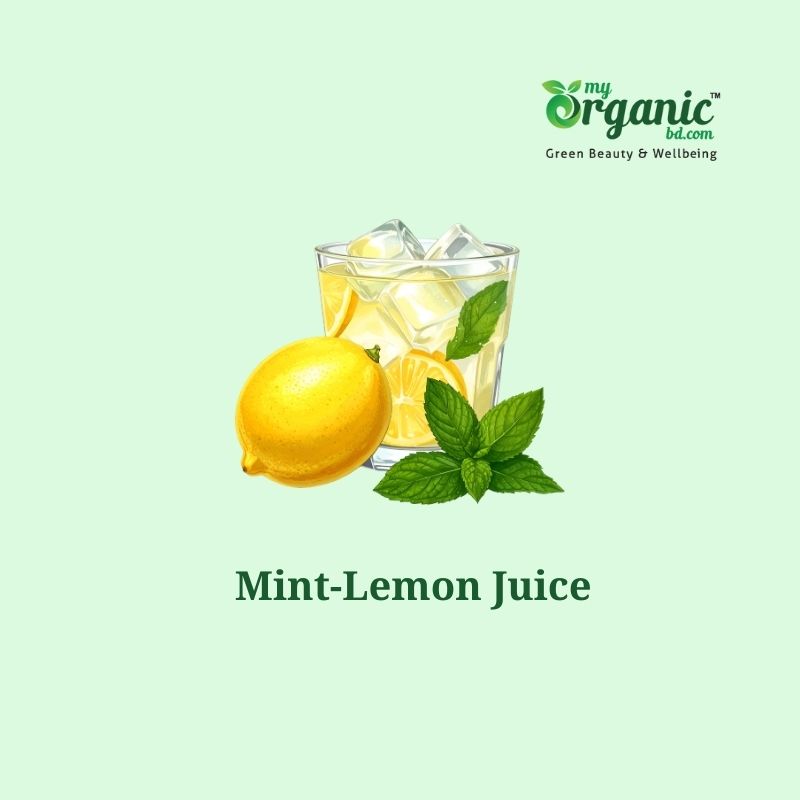

Mint-Lemon Juice
Ingredients
- 6-8 Fresh mint leaves
- A glass of purified water
- 1 tablespoon lemon juice
- Honey, to taste
Instructions
Blend all the ingredients. Strain and pour the juice into a glass. Enjoy the freshness.

What are main Mint supplements and what they do?
Mint is widely used as supplements. Main Mint supplements include—
- Peppermint oil
- Spearmint oil
- Peppermint oil capsules
- Soft gel supplements
- Peppermint vapor
- Dried leaf extracts
- Tea Extracts
- Food Flavorings
Some enteric-coated peppermint oil capsules may reduce abdominal pain and other IBS symptoms in adults. The same benefit has not been established for spearmint oil or every mint supplement.
Topical use of oils may help reduce muscle pain and headache.
Inhaling peppermint vapor can help clear mucus and easy breathing.
One randomized trial reported improvements in some working-memory measures with a specific standardized spearmint extract. These findings do not establish that ordinary mint leaves, mint aroma, or all mint supplements improve memory.
Soft gel supplements are sources of vitamins and antioxidants.
A small 30-day trial found that spearmint tea lowered testosterone levels in women with PCOS, but it did not significantly improve objectively measured excess hair growth. Larger and longer studies are needed before recommending it as a PCOS treatment.
What is the future of mint as a supplement in wellness industry?
Mint has a strong future as a supplement. Human civilization has been using mint’s potential for thousands of years. This natural herb has diverse therapeutic properties. Its adaptability to new product formats increases its possibilities in the wellness industry. Consumers prefer natural and organic products. They are now more conscious about natural living, which offers enormous health benefits. These forecasts indicate a steady growth in the wellness sectors. The supplements also stimulate the expansion of E-commerce. As per a business development research paper, the mint market is projected to reach approximately $9.71 billion by 2030.
All these factors are hints that mint supplements have a promising future in the wellness industry.
FAQ
Is mint a herb?
Yes. Botanically, mint is an aromatic herb. People use the leaves in various ways. Mint adds flavors to foods, acts as medicine as well.
Can mint help with digestion?
Mint has a strong potential to take care of our digestive tract. It helps relieve upset stomach. It promotes proper digestion.
Is mint a breath freshener?
Yes. Mint is a natural breath freshener. The bioactive compound, menthol helps reduce odor-causing bacteria. Promotes fresh breath. It is a common ingredient in toothpastes and mouthwashes.
Is mint safe for daily use?
Mint leaves are safe for daily use. But you must intake it in moderate amounts. If you have any prior health issues, consult with your doctor and nutritionist.
Is mint good for skin?
Yes. Mint is good for skin. Its elements help soothe skin irritations.
Can mint boost immunity?
Mint can add flavor and small amounts of nutrients to a varied diet, but eating mint has not been shown to meaningfully boost immunity or prevent chronic diseases.
A Soothing Takeaway
Mint is truly a marvelous all-rounder. Flavorful, powerful yet simple. Let’s align our everyday with this mighty herb. Embrace a refreshing, cool life.


