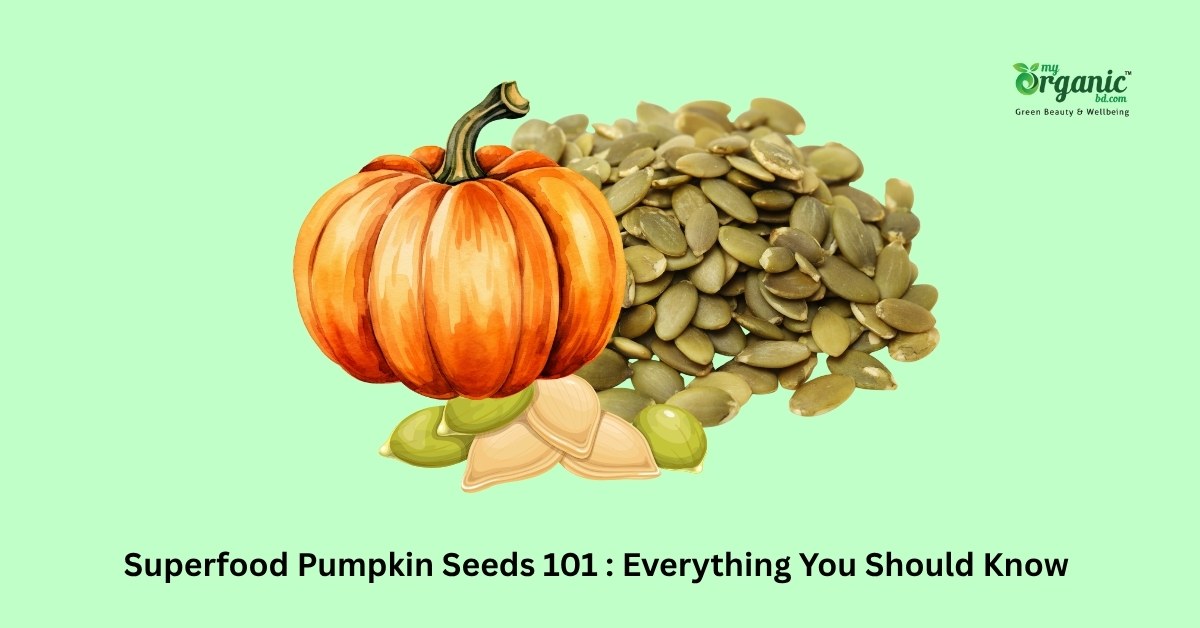
Halloween is in the air, and what could be a better time to read about pumpkin seeds? Pumpkin is one of nature’s nutrition powerhouses, often called a superfood. There is a lot of research about the seeds. It also has huge popularity among health-aware people. But still, considering their magic-like benefits, pumpkin seeds are quite underrated.
Pumpkin seeds can protect the body from heart disease and other chronic diseases. It holds massive potential for reproductive health, especially for men. The antioxidant properties of pumpkin seeds prevent from many other health issues. It is also good for skin, eyes, and bones. The benefits are endless, and all you need to do is take one spoonful of pumpkin seeds. Doesn’t it feel unreal?
Hi, we are Team My Organic BD. A group of nutrition and food scientists with years of experience in organic food & supplement content development. We aim to make people aware with insightful content and also easy to bite for general people. Stay with us to satisfy your curiosity about the pumpkin seeds.
In this article, we will explore the origin and history of this superfood, try to answer the question of why we should call it a superfood, and briefly describe the benefits and drawbacks of this super seeds. In the latter part, we will also discuss what are the uses and future of pumpkin seeds in the wellness industry.
Let’s start.
Why is Pumpkin Seed a Superfood?
Pumpkin seed is a superfood because it contains a variety of common and rare nutrients. It also comes with a lot of traits for wellness. If you read from the beginning, you already know that pumpkin seed is a superfood for its health benefits & food value.
In short, there are 3 type of criteria for being a superfoods. Healthy foods with nutrient diversity, Superfoods with rare nutrients, and superfoods with special abilities. Pumpkin seeds have rare nutrients with a special ability for well-being. All together, there is no doubt that pumpkin seeds are an awesome superfood. please read the fundamentals of Superfoods? Benefits, Types, List & Uses for Natural Wellness
Please don’t underestimate this super seeds; it is compact with nutrition elements, vitamins, and minerals. It is great for the heart, blood sugar, and reproductive system. It comes with rich fiber that can facilitate digestion.
Pumpkin seeds are also a great source of healthy fat. In the latter part of the article, we will dive deep into those facts.
History of Pumpkin Seek
The word pumpkin came from the French word “pepon,” which means large melon. The first domestication of vegetables happened about 8000-10000 years ago. Scientists also believe this.
The first trace of consuming pumpkin seeds was found in Mexico, which is about 7000 years ago. According to some scientists, we have been consuming pumpkins for at least 9000 years. It has been around throughout history. Humans enjoyed this superfood for its amazing taste, nutrition, and medical properties.
Compared to other regions of the world, Mexico, America, and nearby countries consume the most amount of pumpkin seeds. Pumpkin easily grows in most conditions, so it is widely cultivated in most parts of the world.
However, pumpkin seeds are not similarly popular in every place. In the 19th century, pumpkin seeds were used as medicine for parasitic worms in the gut.
Nutritional fact Pumpkin Seed (Daily value)
Here are the nutritional facts for one ounce or 28 grams of pumpkin seeds. Depending on the species of pumpkin, the nutritional facts may vary a bit.
Carbs: 3 g
Protein: 8.6 g
Fat: 14 g
Fiber: 1.7 g
Manganese: 56% of the DV
Zinc: 20% of the DV
Copper: 42% of the DV
Magnesium: 40% of the DV
Phosphorus: 28% of the DV
Calcium: 5% of the DV
Iron: 14% of the DV
Carbs: One ounce or 28 grams of pumpkin seed contains only 3 grams of carbohydrate. It can be great for those who seek a low-carb diet.
Protein: Pumpkin seed is one of the most protein-dense vegan foods. Protein is essential for building muscle and tissue, producing enzymes and hormones, etc. It may not work as the main source of daily protein, but it surely contributes to daily protein requirements.
Fat: Almost half of the pumpkin seed is healthy unsaturated fat. It contains monounsaturated and polyunsaturated fats. Those fats reduce the LDL or bad cholesterol in the blood, increase the good cholesterol. The Fats also helps in the absorption of fat-soluble vitamins like A, D, E, and K.
Manganese: Pumpkin is an excellent source of manganese. It works with calcium and vitamin D to facilitate bone function and strength. Manganese also supports collagen formation, playing a role in healthy skin. It also has a role in the function of antioxidants. In the American diet, manganese is one of the nutrients we get in very scarce amounts. Pumpkin seeds can easily fill up the daily requirement.
Magnesium: One ounce of pumpkin seed provides 40% of the daily required magnesium. It is a vital nutrient for DNA and protein synthesis in our body. It is also essential for muscle and nerve function. Magnesium is also essential for the bones.
Phosphorus: This nutrient is essential for bone and teeth. It also plays a role in ATP or energy production.
Zinc: This is vital for immunity and healthy blood. It also works for repairing the cells. For men’s reproductive health zinc is required.
Iron: Iron is required for blood formation and oxygen transport. Our body needs iron for brain function and energy production.

What are the Benefits of Pumpkin Seeds?
Check out the benefits of pumpkin seeds in the discussion below. Note that we have discussed some of the benefits in the nutritional facts section. But most of the benefits from nutrients are subtle. In this part, we will talk about more specific benefits of pumpkin seeds.
Anti-inflammatory effect
Inflammation is the immune response of the body that causes all sorts of issues like pain, allergy, swelling, etc. Pumpkin seeds contain “lignans,” which reduce the inflammatory response of the body. It is also an antioxidant. Regular consumption of anti-inflammatory foods can help protect against cancer or heart disease. Pumpkin seed oil is also effective in reducing the pain of arthritis.
Antioxidant effects
The super seeds contains powerful antioxidants like beta-carotene, vitamins C and E, lutein, zeaxanthin, polyphenols, and zinc. Such a high diversity of antioxidants can effectively boost the overall wellness of the body. Free radicals attack our body cells and create a chain effect of oxidative stress. Antioxidants block the harmful effects of free radicals and protect from oxidative stress. Consuming a handful of pumpkin seeds every day is enough to get the benefits.
Anti-cancer effect
Pumpkin seeds have the potential to protect the body from cancer growth. It blocks the blood vessels that carry blood in the cancer cells. Some scientists also think the anticancer ability of pumpkin seeds is due to their high antioxidants. It also triggers apoptosis in damaged cells which reduces the risk of cancer. Science suggests it can be more effective for breast cancer and prostate cancer.
Heart health
Pumpkin seeds are full of heart-friendly fat. Those healthy fats facilitate the intake of fat-soluble vitamins like vitamins E, A, and D. They also reduce LDL levels in the blood, which contributes to overall good heart health. Pumpkin seeds also contain nitric oxide, which cleans up plaque or fat buildup in the blood vessels. Consuming it regularly can reduce the chance of major heart disease.
Reproductive health for men
Studies suggest pumpkin seeds can effectively reduce the symptoms of prostatic hyperplasia or BPH. It is a disease of the prostate that causes the swelling of the prostate gland. It may disturb regular bladder function and urination. Drugs for the disease have bad side effects on health. Consuming pumpkin seeds twice a day helps reduce the symptoms without any side effects.
Pumpkin seeds are also very effective increasing sperm count and fertility in men. It contains a high amount of zinc which is essential for healthy sperm cells. The antioxidants of pumpkin seeds have a role in increasing testosterone levels and improving the overall health reproductive system. Antioxidants also protect sperm cells from oxidative damage.
Sleep Quality
Pumpkin seeds contain an amino acid named tryptophan. Studies suggest it plays an effective role in better sleep quality. However, pumpkin seed contains a low amount of tryptophan, but combined with the sleep-improving power of magnesium, you may feel the difference.
Blood Sugar
Pumpkin seeds have the ability to regulate blood sugar. Consuming pumpkin seeds with a meal can reduce the sugar spikes. Scientists believe a high amount of magnesium causes this effect. Pumpkin seed also contains dietary fiber. Fiber also helps reduce insulin release in the blood after consuming carbohydrates.
Disadvantages of Pumpkin Seeds
Pumpkin seeds may interact with diuretic medicines, causing frequent urination. It may not be ideal for people with kidney or cardiovascular disease. Pumpkin seeds reduce blood pressure due to their high magnesium. If one consumes pumpkin seeds with blood pressure medicine, it may risk blood pressure dropping too low. It may also interact with blood-thinning medicines. If you are taking any medicine, consult with your doctor or nutritionist.
Pumpkin seed also has a short shelf life due to their high-fat content. Eating rotten or partially rotten pumpkin seeds may cause illness. Always store pumpkin seeds in low temperature, dry cool place. Consume it within the expiration date.
Some people might be allergic to pumpkin seeds. If you have a problem, avoid eating. Also, if you are prone to gain weight, you may limit consumption. It may cause weight gain in high consumption.
Uses of Pumpkin Seeds
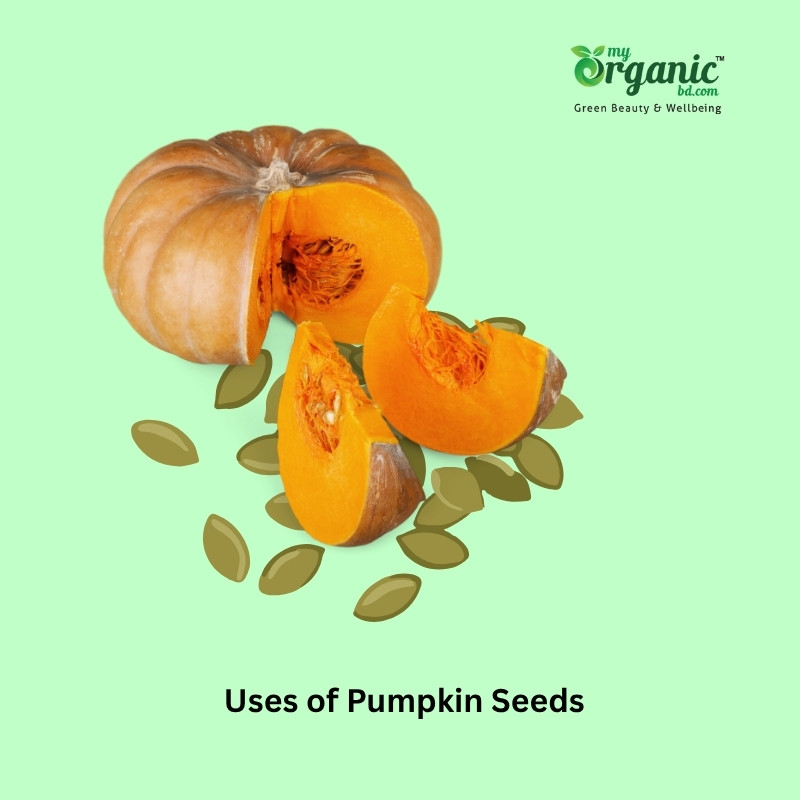
The best thing about pumpkin seeds is to add to your diet very easy. From a quick snack to topping over salad or sweets, there is no shortage of ways to consume. You can bake it in low heat with olive oil and enjoy the goodness of healthy fat. Add it over yogurt, oats, or soup as toppings. You can also get pumpkin seed oil and butter, which also come with many benefits. Adding it to a smoothie will make the drink more delicious and healthy. You can add pumpkin seeds with your dry fruits and nuts. Pumpkin seed bread is also something worth trying. When it comes to taking these super seeds, be creative and go as you like.
Taste of Pumpkin Seeds
Raw pumpkin seed contains a bit of earthy, mild flavor. It combines nicely with sweet dishes. Roasted pumpkin seeds are more common. They have a nutty and savory taste. The taste is somewhat passive, which makes it suitable for adding dozens of dishes.
Natural Pumpkin Seeds in the Wellness Industry?
Pumpkin Seed is already a superstar in the wellness industry. But not all people are aware of its goodness. People used it many places in the world, but most of the world barely consumes pumpkin seeds! In the future, it is very likely that these seeds will become more popular. Wellness conscious people use more Pumpkin seed products like tablets, powder, etc., which are already exist. Those products will become more trendy in the future.
Future of Pumpkin Seeds in Human Civilization
As mentioned, people are becoming more conscious about health than ever before. For this reason, superfoods like pumpkin seeds will have great demand. Naturally, global pumpkin production will increase. With its amazing health benefits, we hope this will create a butterfly effect on global health and wellness. Pumpkin seeds have been around for many thousands of years, and there is no sign that they will lose their popularity anytime soon.
FAQ
Here are some of the commonly asked questions about pumpkin seeds.
How many pumpkin seeds should I eat per day?
One ounce or 28 grams of pumpkin seed is recommended to get its maximum benefit. You can eat it every day without any problem normally.
Is pumpkin seed good for hair?
It may not have a direct benefit for hair. However, the high antioxidant may help reduce oxidative damage in the scalp, protecting it from hair fall.
Can I eat pumpkin seed raw?
You can eat pumpkin seeds raw, but roasting them improves flavor and texture.
Do pumpkin seeds increase testosterone?
Due to its high antioxidants and zinc, it increases the level of testosterone in the body. It can improve sexual health and ability for men.
Conclusion
Pumpkin seed is no short of a miracle. It contains good fat, protects the body from chronic disease, reduces oxidative stress, regulates blood sugar, and improves sleep, heart, and reproductive health. It may have an unexpected amount of benefits, but we must also mindful about its proper use. Here, we cover every important detail about this amazing food.
Want to read about more amazing nuts & seeds ? Check out Health Benefits of Nuts and Seeds, Types & Nutrition.

Mr. Shariful Alam Pavel believes in natural living. To live a healthy conscious living, we need to eat green, live green. MyOrganic Bd is a green wellbeing brand, educating millions to live a better life with mother nature.

Dr. Goutom Banik, MBBS, MPH, is a public health researcher with extensive experience in maternal, newborn, and child health, including nutrition interventions in underserved communities. He has worked with leading organizations such as Save the Children and icddrb, contributing to national strategies on child health and nutrition. His expertise spans operational research, health systems strengthening, and community-based programs addressing childhood illness.