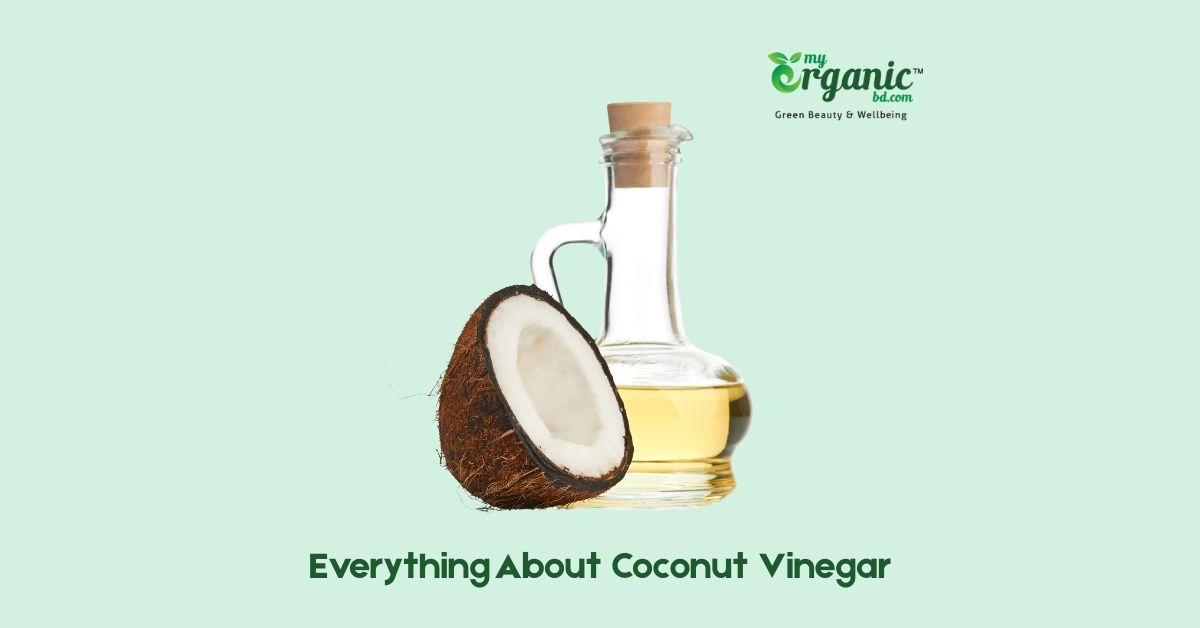
In the recent past, the world has seen a rise in the keto diet and the use of vinegar. Coconut vinegar also attracted massive attention with other types of vinegar, This awesome vinegar can provide several health-boosting benefits. It contains probiotics and polyphenols which may benefit blood sugar and weight loss. The key point that makes coconut vinegar different from other vinegars is it contains tons of minerals. Those minerals are vital especially if you are on a low-calorie diet. There is a lot to learn about coconut vinegar.
Hi, we are Team My Organic BD. We are a group of food experts, nutritionists, doctors and food microbiologists. We have been working together for ten years about healthy food and organic wellness. We aim to create insightful story like content for the general people.
In this article, we primarily focus on proven health benefits of coconut vinegar. We will also include nutritional facts, history, uses, and answer all the questions people ask about it. Hope this article will be enough to answer all the questions about coconut vinegar.
Let’s start.
Is Coconut Vinegar a Superfood?
Coconut vinegar is often called a superfood, especially by health gurus and popular nutrition experts. We took the claim seriously and tried to find out if it was worthy to call a superfood. In My Organic BD’s criteria for a superfood, it must have some special ability. It can be diverse nutrients, an abundance of rare nutrients, or special abilities that helps wellness.
Coconut vinegar has regular abilities like other vinegar. It is also a good source of minerals. So this vinegar qualifies as a superfood in our criteria. May be it is not officially classified as superfood. Want to learn more? Check out the fundamentals of superfood for organic wellness.
History of Coconut Vinegar
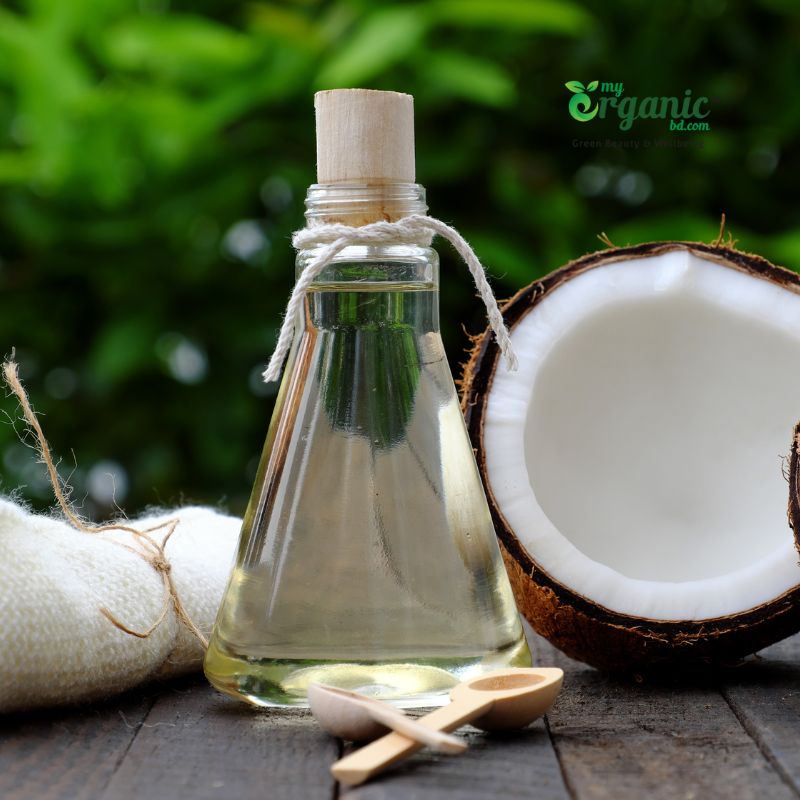
Coconut vinegar originated from Ceylon, which is modern Sri Lanka. It is locally called toddy. The first mention of toddy was found in 500 AD in ancient Sri Lankan text. Coconut wine and coconut vinegar have always been used by the native and royal peoples . The major turning point of coconut vinegar happened when Dutch and British came to Sri Lanka in 15th Century. They helped to introduce coconut vinegar to the world. This vinegar was made with household techniques until the 1900s. The first industrial production of coconut vinegar started in 1920. However, producing this vinegar industrially is not easy. It takes about eight months to one year to become vinegar. Due to inconsistency of quality, household techniques were used industrially. Around the 1950s, a new technology was introduced called the Generator Process. It revolutionized the production of coconut vinegar. It cut off the production time from months to days, so more coconut vinegar was possible to produce. Coconut vinegar gained more popularity in recent years due to wellness trends. With its amazing benefits, and versatility, seems it is here to stay!
How is Coconut Vinegar Made?
The production process of coconut vinegar is quite hard and time-consuming. There are two types of production methods. The first is the traditional method and the other one is the industrial method. Traditionally made coconut cider vinegar is preferable to most people as it contain more micronutrients. Those also take much longer than industrial production. Naturally, traditionally made coconut vinegar is more expensive. In this section, we will discuss the traditional method of making coconut cider vinegar.
Collection of Sap
Coconut tree sap is the only ingredient for coconut vinegar. Farmers may include some starter culture. The sap is collected by cutting the flower bud of the coconut tree. Farmers climb the tree and cut some part of the flower bud. Once it is cut, coconut sap drips from it. Climbers attach a pot with the flower bud and leave it overnight. All the sap is collected and stored for further processing. Some people also make coconut cider vinegar from coconut water. It also works, but coconut water vinegar is not that good compared to the sap ones.
Fermentation
In the fermentation process, the sap is kept in an optimum temperature and condition. During this process several biochemical reaction takes place. First yeast ferments the sugar and produces alcohol. This can take a few weeks to months. After that acetic acid bacteria oxidize the alcohol and turn it into vinegar. To finish the whole process it can take 8 months to one year. However, by manipulating the conditions the required time is shortened in an industrial setting.
Aging
Newly produced coconut cider vinegar is kept in a barrel or specialized pot for aging. The aging process can improve flavor and potency. Aged coconut cider vinegar may cost more than regular ones.
Nutritional Facts
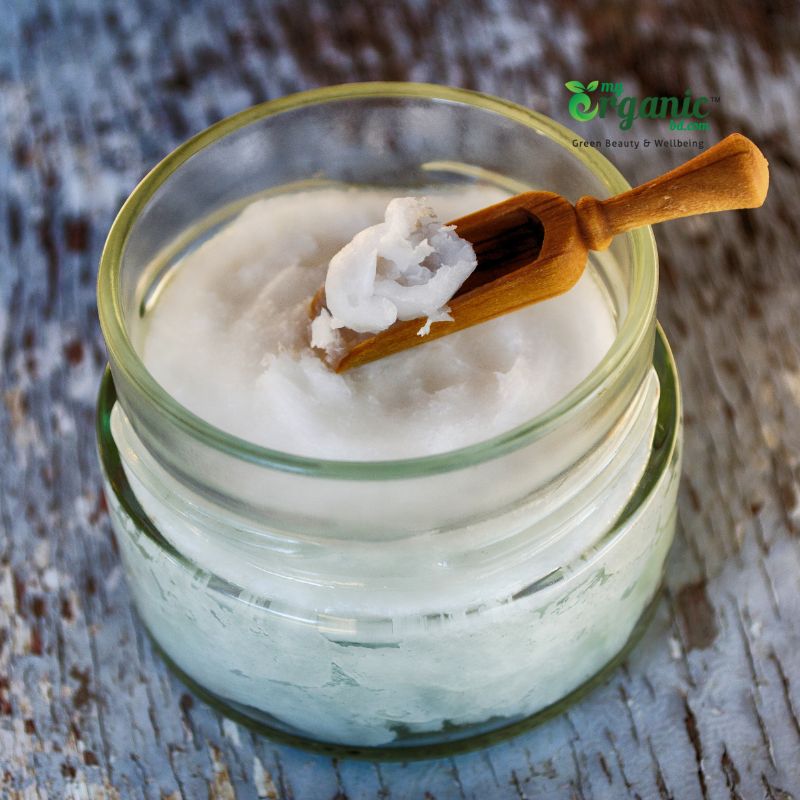
Coconut plants usually grow in nutrient-rich soil near the sea. This is why coconut sap and coconut vinegar contain more nutrients than regular vinegar. However, it is hard to set a standard for those micronutrients as this can vary on nutrient availability. But generally, it contains many essential micronutrients such as iron, copper, boron, choline, and B vitamins. Usually, it also contains magnesium, manganese, phosphorus, potassium, and zinc.
This awesome vinegar also contains different types of polyphenols. Polyphenols are plant-based compounds that have different benefits including heart health and diabetes.
Another important fact about this vinegar is its probiotic compound. It add helpful bacteria in our gut, and may improve the diversity and number of microflora. Lets discuss those benefits in the next section.
Benefits of Coconut Cider Vinegar
There are several excellent benefits of this vinegar. Note that, there are dozens of claims about coconut cider vinegar. But we will only focus on the proven potential benefits.
- Probiotic Benefits
Probiotics are the food that promotes the growth of gut bacteria and increase their diversity. It can be growth-improving components or direct bacteria.
The bacteria of our gut play a key role in our digestion, nutrient absorption, and gut health. It is also directly linked to our mood and well-being. This vinegar adds bacteria to our gut and also provides compounds that help the growth of gut bacteria. Those bacteria also increase the enzymatic actions of the body. The bacteria may also break down some of the harmful components, which may be beneficial for liver function.
- Immunity
Coconut cider vinegar may provide some help for immunity. Due to its acid content, it may strengthen the power of stomach juice. It may also contain vitamin C and other minerals like zinc, iron, and magnesium which are known for their effects on the immune system.
- Blood Sugar Regulation
This vinegar have benefits in limiting the insulin spikes after meal. However, there is limited research on coconut vinegar specifically. But as it contains acetic acid, we can rely on this benefit. Every time we eat carbohydrates, our body releases insulin in the blood. High levels of insulin spikes may increase the chance of type 2 diabetes. Studies show acetic acid can lower the insulin level by 34%.
- Weight Loss
If you are looking to lose some weight, coconut vinegar may help you in the process. According to several studies, acetic acid has the ability to lower appetite and craving. That means you will feel less hungry and experience fewer food cravings during the diet. Doesn’t it make the diet a lot easier? Well, easier said than done! But of course it will offer some solid help on the process.
Animal studies suggest that acetic acid also has the potential ability to activate the fat-burning genes. When that happens, our body tends to burn up the stored fat for energy. This can be very beneficial for your weight loss journey.
- Heart health
Coconut vinegar may pose benefits for the heart health. This may be due to its high potassium level. Potassium helps heart health in a number of ways. It regulates good heat rhythm and also helps to relax the blood vessels. Potassium also plays a role in regulating blood pressure. Those effects may minimize the chances of stroke.
Studies on rats show that vinegar may also help to reduce the LDL or blood cholesterol in the body. This is vital for maintaining good heart health.

How to take coconut vinegar?
Eat one to two tablespoon vinegar every day. Dilute it with enough water to consume directly. You can also take it with salad or other dishes. To maximize its wellness benefits drink on an empty stomach.
The disadvantage of Coconut Vinegar
There are also some important disadvantages you should be aware of.
- Like all vinegar, coconut vinegar is acidic in nature. This may cause teeth and enamel damage. This vinegar can be a problem if you consume it for a long time. Excessive consumption could lead to gastric irritation, acid reflux, or esophageal damage in sensitive individuals. However, drinking it with a straw may fix the issue.
- The high acidity of coconut vinegar can limit your calcium absorption, especially if you overdose. Some amount of calcium can get out of the body through the urine. This may lead to bone damage. Consuming in moderation, and getting more vitamin D, manganese and potassium may reduce the risk.
- Coconut vinegar decreases the blood pressure. This may cause issues when you are already taking blood pressure medicine.
- The taste may not be for everyone. You have to get used to it.
- Coconut vinegar may provide a diversity of minerals and nutrients. But we consume it in very low amounts. So, it’s hard to expect a major change in overall wellness.
Apple Cider Vinegar VS Coconut Vinegar
When it comes to vinegar for wellness, there is no doubt Apple Cider Vinegar is the champion in terms of popularity. It is slightly more pleasant than coconut vinegar. Apple cider vinegar may contain more bacteria as it comes with visible mother content. Coconut cider vinegar does not have mother content much.
Apple cider vinegar is not rich in minerals, while coconut vinegar contains a diverse amount of minerals. Extra minerals may be vital especially if you are on a diet. Mineral efficiency while is a common problem in weight-losing diets. Coconut cider vinegar also has slightly less acetic acid than ACV.
Here is the verdict, if you are looking for gut health, ACV may be slightly better. If you are on a diet and experience mineral deficiency, coconut vinegar is better.
Want to learn more about apple cider vinegar? Check out our article, Amazing Apple Cider Vinegar – type, uses and more.
Taste of Coconut cider Vinegar
Coconut vinegar is slightly rounded and mild sour with a hint of sweetness. It is very different from any other products you know from coconuts. It has a rich earthy fermented flavor and may also contain a hint of umami.
Uses of Coconut Vinegar
This vinegar can be used similarly to apple cider vinegar. But this has a lot of different tests from ACV.
Coconut vinegar can be used in curry purposes. It suit well for salad dressings, sauces, and soups. It also be used for making fermented food like pickles. The acetic acid content of this vinegar will protect fruit and vegetables from spoiling.
Coconut vinegar can be a great homemade skincare ingredient. It has benefits for skin and hair. It balances the pH of the skin and protects it from acne and other issues. This vinegar is effective for dandruff. It also adds shine your hair. Make sure to dilute the vinegar before any kind of use.
Coconut vinegar is also used for cleaning the home, gardening, and pest control.
Natural Coconut Vinegar in the Wellness Industry
Coconut vinegar is already a part of the wellness industry. Due to the popularity of apple cider vinegar, people became interested in products like coconut vinegar as they offer similar benefits and effects. As apple cider vinegar is more versatile, it may never top vinegar by use. However, due to its high mineral profile, this vinegar attract a lot of people seeking wellness.
Future of Coconut cider Vinegar in Human Civilization
In the future, it is very likely that there will be more products made of coconut vinegar. Already we have seen products like Apple cider vinegar gummies, supplements, and capsules. We may see the same for coconut cider vinegar. As people are getting more into wellness, organic products like this will take a permanent position in the market.
Not only that coconut based all other wellness products will rise over time. See health benefits of coconut – A Complete Guide for wellness.
FAQ
Can coconut vinegar go bad?
No This vinegar does not go bad. If kept in a certain condition it gets aged which improves quality. It may not go bad, but it might change a bit which is completely fine.
Can I use Coconut vinegar instead of rice vinegar?
Yes, it is okay to use coconut vinegar instead of rice vinegar. But note that coconut and rice vinegar have differences in nutrients, taste and smell.
Which vinegar has the most amount of polyphenols?
Balsamic vinegar has the most amount of polyphenols. Coconut vinegar also has a high amount of polyphenols.
Conclusion
Coconut vinegar is not a mainstream vinegar, but it poses some unique benefits for human well-being. This vinegar not only poses great potential for the body, but also contains the history and culture underlying it. Enjoy all its benefits, but also be aware of its potential complications. Use safely.
Want to learn more about types of vinegar? We suggest 15 best alternatives to Apple Cider Vinegar.

Mr. Shariful Alam Pavel believes in natural living. To live a healthy conscious living, we need to eat green, live green. MyOrganic Bd is a green wellbeing brand, educating millions to live a better life with mother nature.

Dr. Goutom Banik, MBBS, MPH, is a public health researcher with extensive experience in maternal, newborn, and child health, including nutrition interventions in underserved communities. He has worked with leading organizations such as Save the Children and icddrb, contributing to national strategies on child health and nutrition. His expertise spans operational research, health systems strengthening, and community-based programs addressing childhood illness.