Statistically, women live longer than men in most of the world. But the other half of the truth is that women live longer, often with more illnesses or disabilities than men. Historically, medicine and medical research were centred around men’s health as the default. This played a key role in how women’s symptoms are diagnosed and treated.
But women’s biology contains very different biochemical and metabolic cycles. Pregnancy, menstrual cycles, and menopause all have a distinct impact on women’s health and wellness. A balanced diet is one of the key elements of their health. It must be made considering all the factors, gaps, and metabolic cycles of women.
We take this matter very seriously and uncover a healthy diet that is suitable for women of different age groups.
Hi, we are My Organic BD. We are a group of nutritionists, doctors, dieticians, and writers collaborating to create the most scientific articles about organic wellness for common people.
This article will discuss women’s diet with consideration of their suffering, risk factors, diet gaps, and nutritional requirements.
Let’s start.
What are women’s wellness issues?
Women’s health in our context is the physical and mental well-being of women. Men and women have a lot of common ground in health. But a generalized nutrition blog does not help you to understand specific diet requirements for women.
Before diving into the women’s diet, let’s understand different aspects of their wellness issues. We need to consider women wellness goals for the best diet plan.
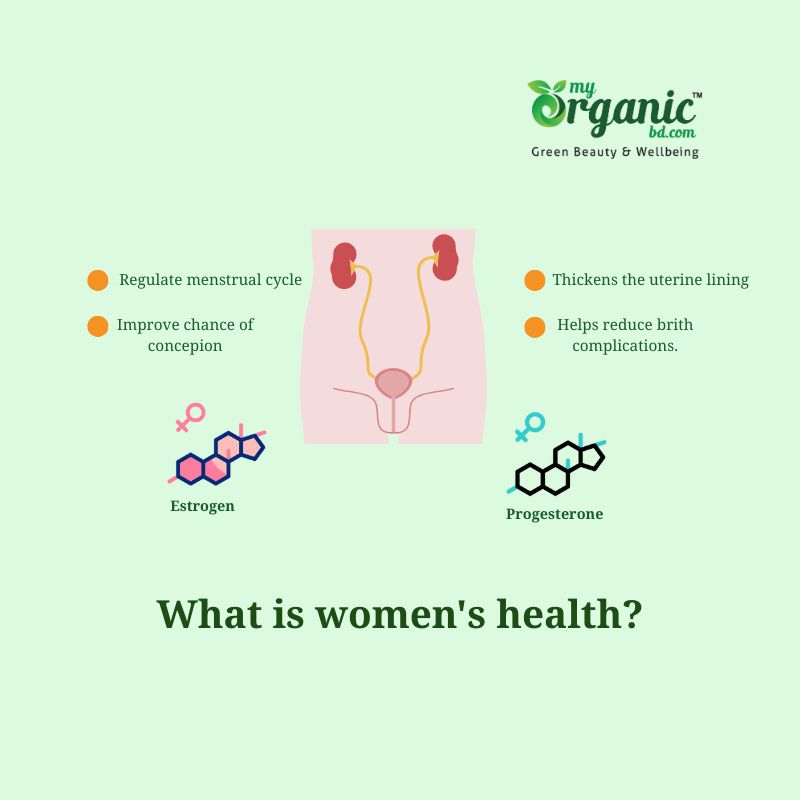
Women’s hormone cycle is quite different from men’s. They have estrogen and progesterone that shape different metabolic functions, appetite, and mood. This hormone cycle also shifts in different stages of their life. They require more iron during menstruation, omega-3s, and B vitamins for PMS, and so on.
They have specific nutrients needed to maintain reproductive health. Folate, iron, choline, DHA, and calcium are some of the important nutrients for reproductive health.
When it comes to bone health, women are the most vulnerable group. Due to pregnancy and hormonal causes, they require more calcium than men. They have a higher rate of osteoporosis and bone-related disease. So foods with vitamin D and calcium have serious importance in their diet.
Women have less risk of cardiovascular disease than men. Yet, it is the top reason for women’s death. A Mediterranean-style diet can be helpful for women’s heart health. Women are more mentally and emotionally vulnerable due to hormonal influences.
Their diet should also support their mental well-being. Thyroid disorders and insulin resistance are also common in women. Women also want to take good care of their skin, hair, and healthy aging. A diet rich in collagen, antioxidants, and vitamins should be included in their diet. Autoimmune conditions are more common in women, so fiber and anti-inflammatory foods are important for their well-being.
What is a woman’s health Diet Plan?
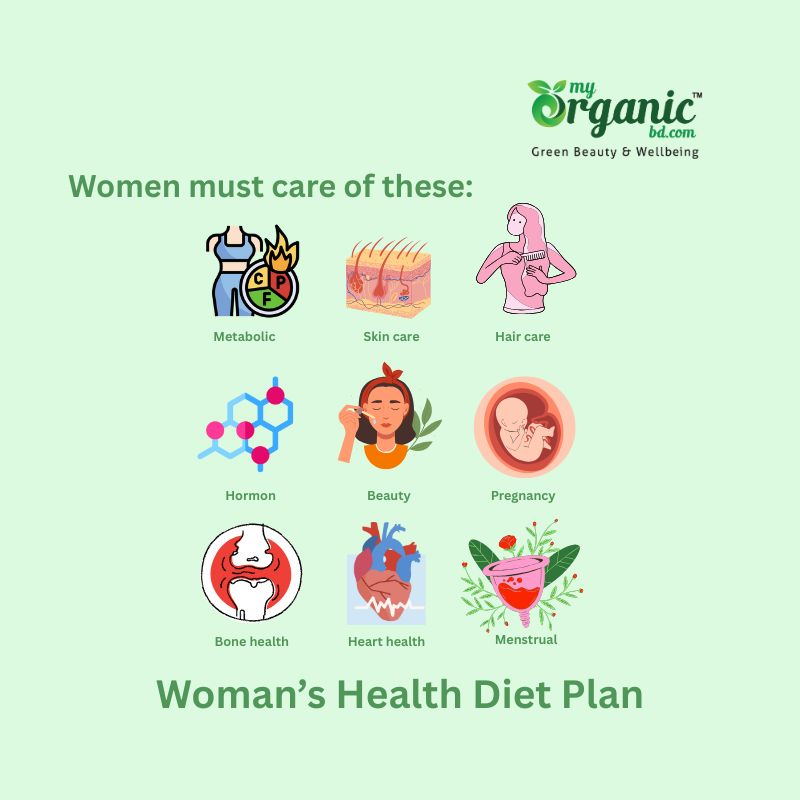
A woman’s wellness diet plan is the food that focuses on meeting unique metabolic and hormonal requirements that support the overall health, fertility, and long-term wellbeing. It should include the food that balances hormones, protects bone health, provides sufficient iron, and maintains cardiovascular health.
A woman’s diet should also contain some of the best foods for beauty, skin, and hair health. Women don’t have a straightforward diet plan that they can just follow every day. Their needs should change depending on their menstrual cycle and pregnancy states.
They need to maintain a diet with high protein, good fiber, healthy fats, and minerals. One doesn’t need to bring drastic change all of a sudden; a small but consistent change in diet is enough to see significant results.
Women’s dietary needs can be broadly grouped into three life stages: adolescence, reproductive years, and post-menopause according to the World Health Organization and national nutrition guidelines. Each stage has its own dietary needs. We will discuss them in the following section.

What are the 5 food groups: Best diet for women?
There are 5 food groups required for proper health and well-being for women according to Australian Dietary Guidelines. Let’s discuss each group in the following part:
Super veggie
Vegetables, beans, and legumes. Vegetables and legumes are a rich source of fiber, vitamins, folate, and antioxidants. You can have multivitamins for the nutrients, but nothing can beat the diversity and effectiveness of eating real vegetables. It supports gut health, improves digestion, and minimizes the risk of heart disease. One should eat about 75 grams of vegetables every day.
Please read Super Vegetables: List, Health Benefits, Types, Wellness, & More.
Super Fruits
Super Fruits are also an important part of a woman’s diet as they contain good vitamins, minerals, and phytonutrients. They may also play a vital role in promoting hormonal balance. Always try to eat whole fruit.
Eating juice simply ignores the value of fiber from the fruit. Women should eat about 150 grams of fruit every day. It’s always a good idea to mix up your fruit choices.
Checkout Healthiest Super Fruits to Eat – Best Choices for Natural Wellness.
Whole grain and carbohydrate
Whole grains and carbohydrates are a stable energy source that provides longer energy without causing sugar spikes. Sugar spikes lead to systemic inflammation and chronic diseases.
Whole grain also comes with a good amount of fiber that helps digestion and improves good cholesterol in the body. They are also very healthy in pregnancy and menopause. Brown rice, oats, and whole wheat breads are great whole-grain options.
Lean meat and protein sources
Lean meat, fish, eggs, tofu, nuts, and healthy sources of protein that need to be included in a woman’s diet. They contain vital nutrients such as protein, iron, zinc, and B12. Protein helps to improve muscle growth, plays a role in hormone production.
They are also important for menstrual and pregnancy health. Lacking animal protein in the diet can cause muscle loss and iron deficiency.
Milk, yogurt, and probiotics
Women need to consume milk, yogurt, or alternative probiotic foods that support their overall health. Those can also improve bone density and hormonal cycles. Probiotics improve digestive health, mood, and the immune system.
What Foods to avoid for women wellness?
Diet is not just about the food you eat, but also the food you avoid. Women should avoid high sugar, salt, and trans fat foods. Fast food and processed food contain a high amount of trans fat.
You also need to avoid smoking and excessive drinking. Those habits can harm during pregnancy and complicate the hormonal cycles.
What are the Problem-based diet for women?
Let’s explore the wellness conditions women tend to have and the diet that helps reduce the risk.
Heart health: Heart disease risk increases after menopause in women due to lower estrogen levels. Estrogen supports blood vessels and heart health.
Fatty fish, flaxseeds, and chia seeds contain omega-3 fatty acids that can reduce inflammation and support estrogen production in the body.
Bone Health: Women have a higher risk of developing osteoporosis due to hormonal changes and pregnancy. Calcium, vitamin D and Magnesium-rich foods are essential for their diet along with a balanced intake of protein.
Protein provides the collagen matrix that calcium hardens, and magnesium is essential for activating Vitamin D and incorporating calcium into bone.
Hormonal Balance: Hormonal imbalance is more common in women than in men. It causes mood swings, fatigue, bloating, and other disturbances in the metabolism. Food rich in omega-3 fatty acids, magnesium is important for maintaining hormonal balance.
Iron Deficiency: Due to menstrual blood loss, women have a higher risk of iron deficiency. Their diet should have special priority for iron and vitamin C. Vitamin C helps the iron to be absorbed effectively.
Pregnancy Nutrient deficiency: Women’s nutritional needs rise sharply during pregnancy. Iron, folate, and proteins are vital nutrients during pregnancy.
Menopause: Poor diet and unhealthy lifestyle can cause a reduction in estrogen during menopause. It may cause bone loss, weight gain, and other health issues. Omega-3, vitamin E, A, D, and plant-based estrogens help maintain those complications.
Mental Health: Women are more prone to mental conditions due to hormonal changes. It causes anxiety, depression, and poor sleep. Magnesium and tryptophan-rich foods can support mental health.
There are a lot of supplements in the market that help achieve wellness goals.
Women’s sexual problems and diet
Here are the main sexual problems of women and how diet affects them.
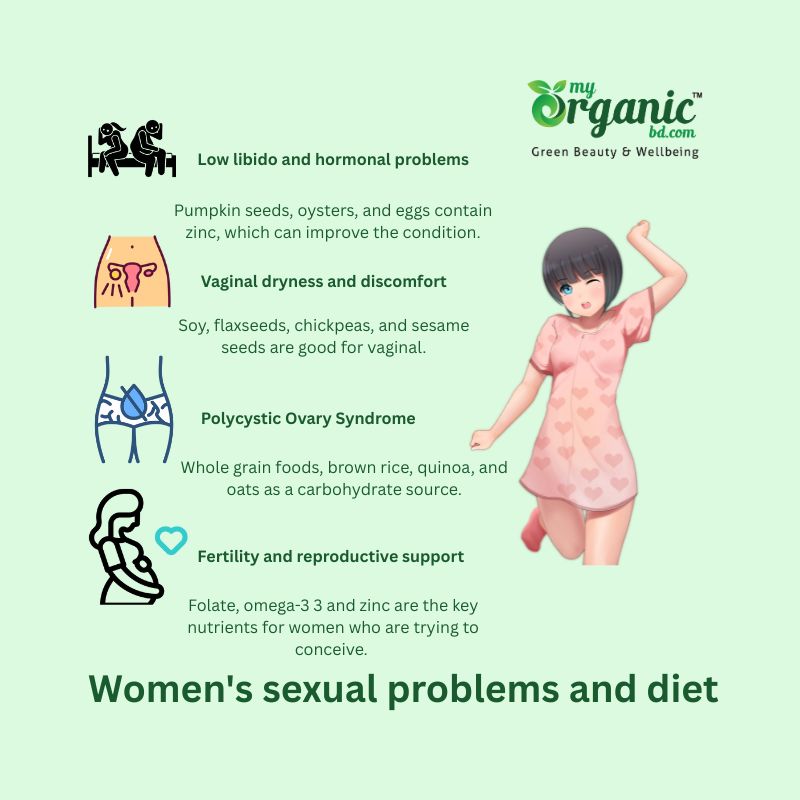
Low libido and hormonal problems
Stress and nutrient deficiencies can cause low estrogen, which can reduce libido and vaginal lubrication. Pumpkin seeds, oysters, and eggs contain zinc, which can improve the condition. Vitamin E also plays a supporting role in women’s libido. Almonds, sunflower seeds, and spinach have a good amount of vitamin E.
Vaginal dryness and discomfort
Vaginal discomfort can occur due to menopause and hormonal birth control. It happens due to a lower estrogen level.
Soy, flaxseeds, chickpeas, and sesame seeds have components that mimic estrogen and improve the moisture balance. Hydration is also very important for this, and foods like watermelon, oranges, and cucumber can help with this.
Polycystic Ovary Syndrome
This condition causes irregular periods, acne, and infertility. It may also worsen the period cramps. Insulin resistance and hormonal imbalance can cause this condition. Choose whole grain foods, brown rice, quinoa, and oats as a carbohydrate source.
As they have a low glycemic index, they improve the syndromes. Also, avoid carbs, sugar, and fast food. Cinnamon, ginger, and omega-3 are helpful in managing insulin sensitivity.
Fertility and reproductive support
Folate, omega-3 3 and zinc are the key nutrients for women who are trying to conceive.
Again just to recall there are thousands of dietary supplements that help women meet their wellness goals.
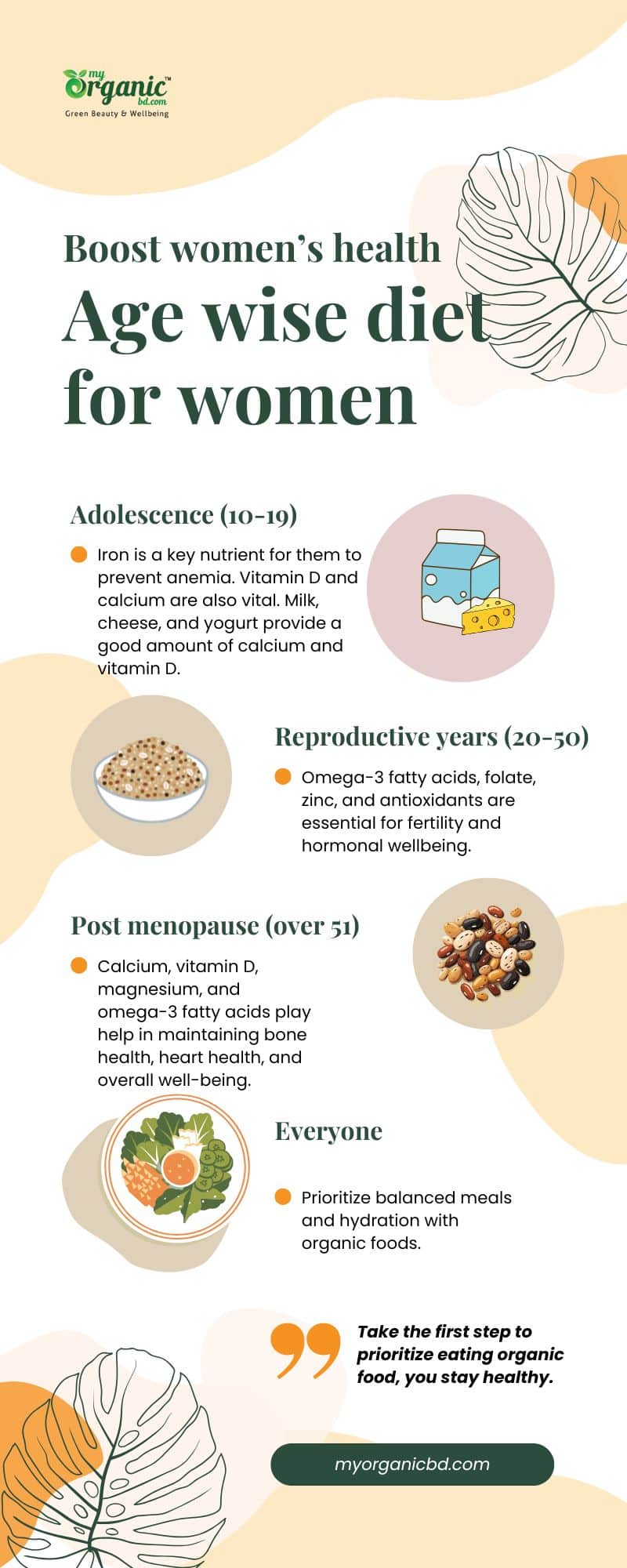
What are the Diet change in women depending on age group?
Not all women of the same age need the same nutrition. Check out how diet changes in different ages of women’s lives:
Adolescence (10-19)
In adolescence, women are growing frequently and going through sharp hormonal changes due to menstruation. Iron is a key nutrient for them to prevent anemia. Vitamin D and calcium are also vital. Milk, cheese, and yogurt provide a good amount of calcium and vitamin D.
Teen girls should eat whole grains, lean proteins, leafy greens, and lentils. That food not only provides them with good nutrients, but also helps them build healthy habits for later life. They should avoid sugary foods, fast food, and food with trans fat. Those can affect their hormonal balance and contribute to obesity.
Reproductive years (20-50)
During the reproductive stages of women’s life, they need a nutrition-rich rich balanced diet to support their reproductive health and hormonal stability. Omega-3 fatty acids, folate, zinc, and antioxidants are essential for fertility and hormonal wellbeing.
They should focus more on whole grains, fruits, lean protein, vegetables, and seeds as their main diet. Maintaining a healthy weight is also vital in those years.
Post menopause (over 51)
Estrogen level drops sharply in women over 50 years. This increases their chances of bone loss and heart disease. Calcium, vitamin D, magnesium, and omega-3 fatty acids play an essential role in maintaining bone health, heart health, and overall well-being.
They also tend to lose muscle, so a healthy intake of protein from a safe source is also necessary for their well-being. Sugar. Salt and red meat should be avoided, and beans, dairy, fish, and vegetables should be prioritized.
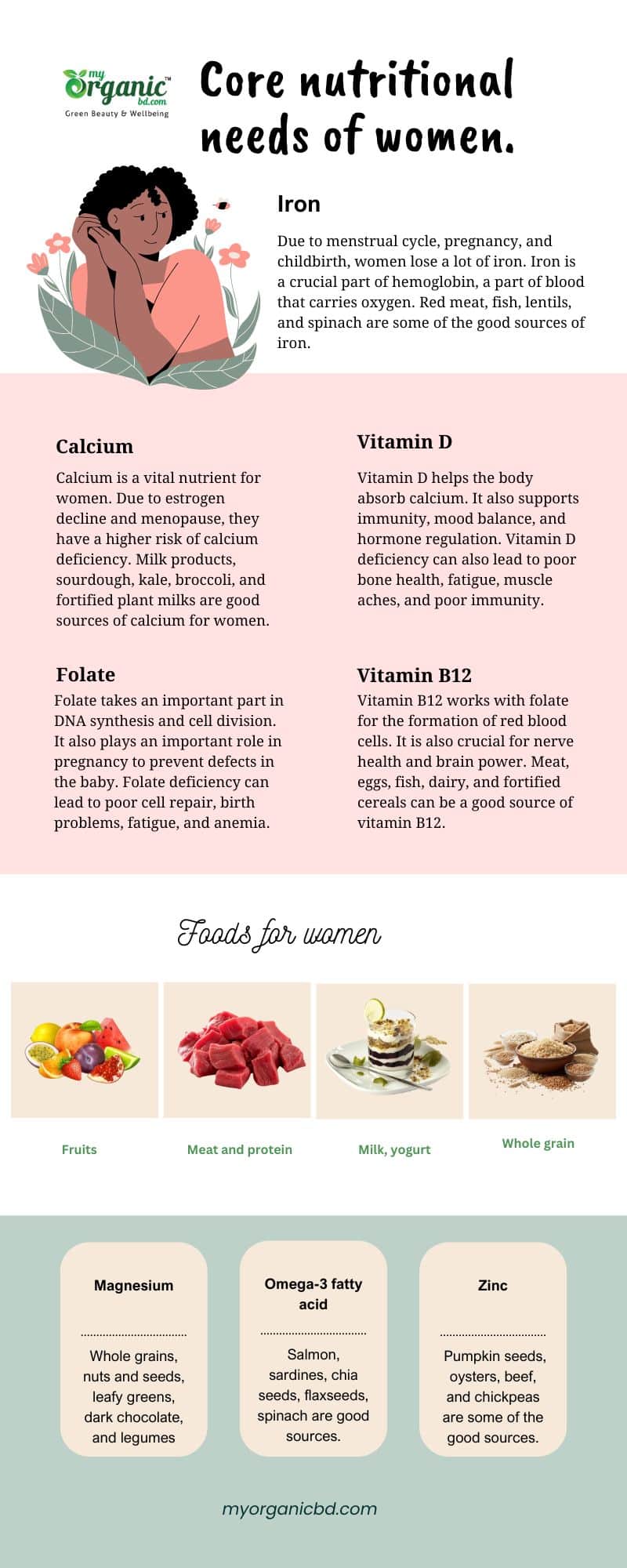
What are the core nutritional needs of women?
Now, let’s check out the vital nutrients for women’s health.
Iron
Due to menstrual cycle, pregnancy, and childbirth, women lose a lot of iron. Iron is a crucial part of hemoglobin, a part of blood that carries oxygen. The lack of oxygen can lead to anemia, weakness, fatigue, dizziness, poor focus, and pale skin. Red meat, fish, lentils, and spinach are some of the good sources of iron.
Calcium
Calcium is a vital nutrient for women. Due to estrogen decline and menopause, they have a higher risk of calcium deficiency. It is also very vital in the times of pregnancy. As they give birth to a new human, they need to consume a lot of it. Lack of calcium can lead to bone damage and decay. Calcium deficiency can cause osteoporosis, muscle cramps, weak bones, and tooth decay. Milk products, sourdough, kale, broccoli, and fortified plant milks are good sources of calcium for women.
Vitamin D
Vitamin D helps the body absorb calcium. It also supports immunity, mood balance, and hormone regulation. Vitamin D deficiency can also lead to poor bone health, fatigue, muscle aches, and poor immunity.
Folate
Folate takes an important part in DNA synthesis and cell division. It also plays an important role in pregnancy to prevent defects in the baby. Folate deficiency can lead to poor cell repair, birth problems, fatigue, and anemia.
Vitamin B12
Vitamin B12 works with folate for the formation of red blood cells. It is also crucial for nerve health and brain power. Deficiency of vitamin B12 can lead to memory loss, numbness, and anemia. Meat, eggs, fish, dairy, and fortified cereals can be a good source of vitamin B12.
Magnesium
Magnesium is necessary for nerve function, blood sugar control, bone health, and better sleep. Deficiency of magnesium can cause fatigue, insomnia, muscle cramps, anxiety, and irregular heartbeat. Whole grains, nuts and seeds, leafy greens, dark chocolate, and legumes have a good amount of magnesium.
Omega-3 fatty acid
Omega-3 fatty acids are one of the most beneficial nutrients for women. It reduces inflammation, improves heart health, brain health, reduces menstrual pain, and improves hormone balance. Omega-3 fatty acid deficiency can lead to dry skin, fatigue, poor concentration, and heart disease.
Zinc
Zinc is a vital mineral for immunity. It also helps to speed up wound healing. It supports skin health and fertility in women. Lack of zinc can cause weak immunity, hair loss, skin problems, poor appetite, etc. Pumpkin seeds, oysters, beef, and chickpeas are some of the good sources of zinc.
Iodine
Iodine is necessary for thyroid hormone production and function. It also helps to improve metabolism and energy. Iodine deficiency can cause fatigue, goiter, irregular periods, and fertility issues. Today, most salts are fortified with iodine. Seaweed, dairy, fish, and eggs are also good sources of iodine.
Protein
Proteins are crucial for building and repairing body tissue. It supports hormone production and has a role in every metabolic activity to some level. It is also crucial for hair, skin, and nail health. Protein deficiency can cause muscle loss, hair thinning, poor immunity, and slow healing. Eggs, fish, chicken, lean meat, yogurt, nuts, and quinoa have a good amount of protein in them.
Please read Nutrients 101 – The Building Blocks of Organic Healthy Living.
How do dietary requirements affect women’s hormonal health?
Hormones are chemical messengers of our body that regulate metabolism, mood, reproduction, and energy functions. A healthy diet is required for hormonal balance and its function.
Nutrients such as fat, proteins, and minerals are raw materials for hormones. Healthy fats play a vital role in the production of estrogen, progesterone, and testosterone in women.
Blood sugar spikes can also disturb hormonal balance in our body. Iodine, selenium, iron, and zinc also play an essential role in hormonal health. A diet lacking fiber can cause dominance of estrogen, which also leads to health problems. So as you can see, our hormonal health depends a lot on our diet. A healthy, balanced diet for women can improve hormonal function, leading to better wellness.
What diet is best for teenage girls?
Due to menstruation and iron loss, they need to eat iron-rich foods like lean meat, spinach, and lentils. Vitamin C also helps to increase the absorption of iron in the body. They also need to have a good amount of Vitamin D and calcium-rich food.
Yogurt, tofu, leafy greens, eggs, and sunlight can ensure their availability. As they are growing fast, they need to have protein-rich food every day. Healthy fats like flaxseeds, chia seeds, and avocados are crucial to their optimum health and wellness.
They should eat complex carbohydrates and fiber-rich foods such as brown rice, oats, whole wheat bread, and millet. They should also make hydration a habit.
What is the best diet for pregnant women?
Pregnant women’s nutritional requirements increase sharply. They need to have a healthy and balanced diet containing a lot of variety. Some nutrients are more vital for a pregnant woman. Folate, iron, calcium, vitamin D, omega-3, probiotics, and fiber are the most vital nutrients they must get from their diet.
What are common dietary deficiencies for women?
The most common dietary deficiencies for women are iron, calcium, vitamin D, folate, vitamin B12, magnesium, and omega-3 fatty acids. Due to their hormonal change, their bone and mental health can quickly decline. A proper nutrient intake can easily protect them from common health problems in women.
Should women follow popular diets like intermittent fasting or Mediterranean?
Yes, women can follow popular diets like intermittent fasting or the Mediterranean diet. But any diet you follow, you need to have a good understanding of it. How the diet works within our body system.
Many diets are designed considering specific wellness goals. Age, hormones, and health needs can also matter while considering the right diet. Diets like intermittent fasting can be risky or hard for some people. Simple balanced meals like the Mediterranean diet are very healthy and suitable for most women across all ages.
Is the keto diet beneficial for women?
Keto can be beneficial for blood sugar control, weight loss, and related issues for women. But it comes with some risk factors too. It may cause hormonal imbalance, irregular periods, or increased cortisol levels.
Pregnant women with thyroid issues should not follow the keto diet. It’s better to take professional help from a certified dietician to get a tailored diet plan. Schedule your meeting with our wellness professionals.
Does intermittent fasting work differently for women?
Yes, intermittent fasting works differently for women for hormonal and metabolic reasons. Fasting influences different hormones in the female body. It may disturb menstrual cycles, reduce fertility, and cause mood swings.
It may also cause slow metabolism, irritability, anxiety, or dizziness with too much fasting. So women should practice safer versions of intermittent fasting, such as 12:12. Breast feeders, teenagers, and women with thyroid issues should not do intermittent fasting.
Do supplements help Women’s wellness?
Yes, supplements can significantly support women’s wellness. In many instances, supplements are more vital for women than men. Women often lack nutrients like iron, calcium, and vitamin D.
Menstruation, pregnancy, and breastfeeding can lead to nutrient deficiencies very easily. Having a woman’s wellness friendly diet is the best way to ensure those nutrients. But, with this fast-paced world, it’s hard to notice if your food has iron or vitamin B adequately.
That is where supplementation becomes important. They can minimize the chance of common deficiencies and improve their overall wellbeing.
In women’s health, hormonal balance is a crucial wellness factor. Supplements like omega-3 fatty acids, magnesium can provide good support for that. A personalized suggestion from a wellness professional is often the best way to get optimum results.
Conclusion
Women’s diet is much more sensitive than men’s due to their hormonal and metabolic structure. They also have a higher risk of certain diseases than men. But most of the diet and health-related research lacks serious gender distinction. We tried to go deep into women’s health requirements and diet. This will help you have a better understanding of the best diets for women for ultimate wellness.
Check out the best supplements for women.

Mr. Shariful Alam Pavel believes in natural living. To live a healthy conscious living, we need to eat green, live green. MyOrganic Bd is a green wellbeing brand, educating millions to live a better life with mother nature.

Dr. Goutom Banik, MBBS, MPH, is a public health researcher with extensive experience in maternal, newborn, and child health, including nutrition interventions in underserved communities. He has worked with leading organizations such as Save the Children and icddrb, contributing to national strategies on child health and nutrition. His expertise spans operational research, health systems strengthening, and community-based programs addressing childhood illness.

A Microbiologist, full time Content writer in MyOrganic Bd relentlessly trying people aware green lifestyle. Apart from working MyOrganic, he is an Environmental activitist.