The best diet for Men addresses a lot of male wellness issues. They should take proper nutrients from healthy foods and avoid few foods. Balanced diet & lifestyle improve Men’s wellness.
When it comes to men’s health, most discussions circle around a few sexual problems and supplements. That’s an important part, but men’s health goes way beyond that. Men are biologically different than women, and a generalized diet often falls short to point out the specific needs of men.
They have different biology, different sets of hormones, metabolism, and risk factors. Not all men require the same diet. The diet also varies depending on different age groups of men. So there is a lot to discuss.
Don’t worry, we will take a systematic approach to make this information easy to read, find, and digest for every group of men.
We are My Organic Body & Diet (My Organic BD). We are a group of nutritionists, doctors, dieticians, and writers. We are working to create scientifically accurate, informative content about organic wellness for general public.
This article will describe men’s health & diet. why it’s different, risk factors of men, common problems, nutrition, and lifestyle to reach the maximum health potential for men.
Let’s start.
What are men’s Wellness issues?
Men’s health is looking through a health lens at the physical, metabolic, and mental patterns specific to men. Men and women have a lot of common ground when it comes to health. But looking at it differently reveals a lot of helpful information that you can never know by reading generalized blogs.
Such as, men are more prone to develop heart disease early in their lives. They have a higher chance of stroke and hypertension. Obviously, their reproductive health is also different. Testosterone level, prostate health, fertility, and erectile dysfunction are the core sexual health concerns for men.
Males have higher chances of developing certain types of cancer. Such as prostate cancer, lung cancer, colon cancer, testicular cancer, etc.
Males and females have different ages to be cautious about bone health. Men often tend to ignore bone health as they age. Men have higher rates of certain types of depression and substance abuse related health problems. Men are usually less aware of their health and don’t act until it’s too late.
This article will cover all the parts of health problems, what causes them, and a diet that can help prevent them.
What is a men’s health diet plan?
Men’s diet plan is a specific diet habit that covers all the metabolic needs and reduces risk factors in men. A healthy diet for men in general contains a lot of heart-friendly foods and nutrients. Foods that promote hormonal balance and sexual health.
The good thing is, a man does not need to make a massive change for better health. A healthy, balanced diet carries most of the elements men need for getting into optimum condition. But being conscious of some factors matters a lot. Also note that men, in different age groups, have different nutritional and dietary needs for good health.
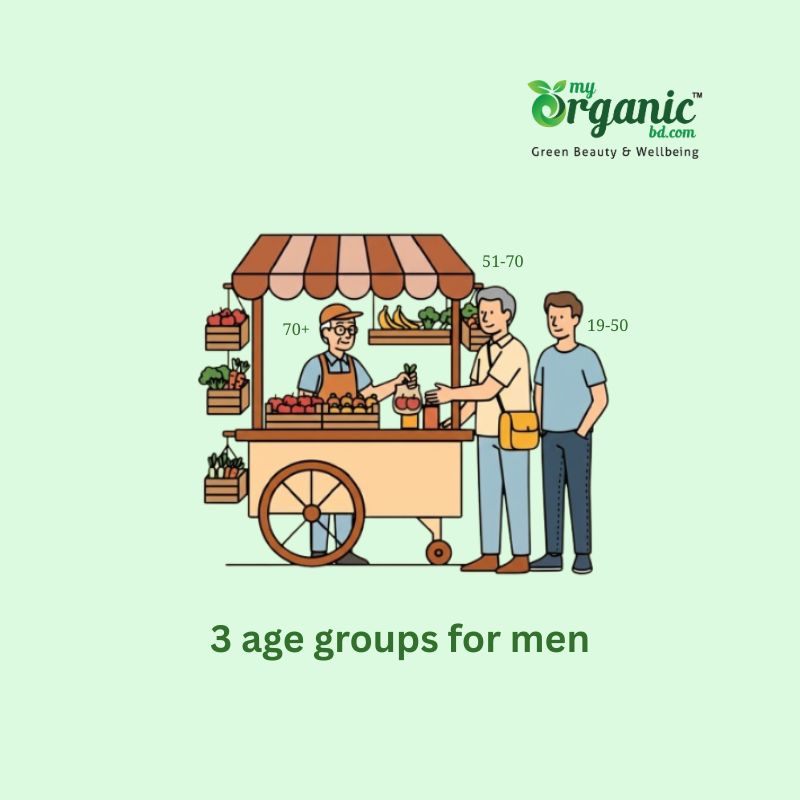
The diet of a teenager would obviously be different from an over 70. There are 3 age groups for men according to Better health. 19-50, 51-70, and over 70 years.
First, let’s discuss an overall guideline for men. After that, we will focus on problem-based diets for men.

What are the five food groups – Best diet for men of all ages?
There are 5 groups of food men should include in their diet for better health according to Diets for Australians.
Vegetables: They are a source of quality fiber, antioxidants, vitamins, and minerals. Choosing different types and colors of vegetables is always great. It’s always better to eat different vegetables instead of sticking to a couple of types. One should eat at least 75 grams of vegetables each day.
Fruits: They should be a regular component of men’s diet. They are full of rich vitamins, antioxidants, and disease-preventing abilities. One should eat 2 servings or 150 grams of fruit every day. Whole fruit is always better than juice or other processed fruit products.
Full grain: Men should choose healthy grains for their diet. Brown rice, whole grain wheat, oats, and similar grains are very important for a healthy carbohydrate source. White rice and processed wheat, in the long term, can lead to inflammation and the development of diabetes and other health problems.
Younger men should consume 6 servings of grain food, and older men should have fewer servings of grain food, about 4.5 servings.
Protein foods: Protein is another essential component for men’s health and wellness. It can be from fish, eggs, tofu, lean meats, nuts, and seeds. One should eat about 2.5 servings of protein-rich food.
A rule of thumb is to consume 0.84 grams of protein for each kg of body weight.
Milk: Yogurt, Cheese: Fermented milk-related products have good probiotics that can improve men’s gut health. 2.5 to 3.5 servings of those probiotic foods can improve men’s health greatly.
As we have a good overview of the types of food men need to eat, let’s discuss changes in diet for different age groups of men.

What are the Changes in Men’s Diets for different age groups?
Here is a highlight of the differences in food requirements for different age groups of men.
19-50
Younger men between 19 to 50 need more energy than older men. But they also need to be careful about overeating. If you follow the five food groups, with a good variety, you will not have to worry much about health.
Still paying attention always returns in a good way. If you are working out or building muscle, you will need more protein. However, overconsuming protein comes with its drawbacks.
Choose the simple and easy-to-digest protein like fish, eggs, and plant protein options. It is also important to avoid sugary food, fast food, and overconsuming alcohol.
50 to 71
In this age group, you will need a different diet than younger age groups. You will have to pay more attention to your bone health. Eating calcium and vitamin D-rich food is essential. In this age, you should consider eating high-nutrient food that has fewer calories.
Consider a balanced intake of high-quality protein (lean meat, eggs, tofu, nuts, seeds) and pair it with resistance training. This will combat muscle loss and simultaneously increase calcium and vitamin D. Increase vegetables and fruits. Processed and fatty fast food should be avoided strictly.
Over 71 years
At this age, reduce your consumption of grain foods, increase dairy and calcium-rich foods. Maintain balanced consumption of protein-rich, easy-to-eat foods like eggs, dairy, fish, and ground meats to preserve muscle mass and strength.
Try to eat simpler food, minimizing the stress on the digestive system. Make sure you are taking enough fiber, as older people have a higher chance of developing colon cancer.
What is the Problem-based diet for men?
Now, let’s discuss specific problems for men, their causes, and the diet that can help. This will clarify your knowledge of which food works for what reason.
This section is divided into two parts. General men’s health and men’s sexual health.

General men’s health Diet
Heart disease
Men are historically more prone to heart disease due to higher stress, smoking, and obesity according to Harvard Health. Fatty fish, flaxseeds, and walnuts contain omega-3s that reduce inflammation and control blood pressure.
Oats, barley, beans, and apples have soluble fiber that also reduces bad cholesterol from the body. Garlic and onions are also beneficial for heart health.
Obesity
Men have a higher rate of obesity than women. Obesity causes a range of chronic diseases for men. High-protein meals like eggs, yogurt, lean meat, and beans can increase metabolism without too many calories. Green tea and coffee can also help burn fat.
Diabetes and insulin resistance
Men are more prone to gain weight around the abdomen. This can cause insulin resistance. Avoiding simple carbohydrates can help minimize the risk of diabetes. Whole grain, sweet potatoes, and lentils are some of the slow-digesting food that keeps the blood sugar spike low. Cinnamon and turmeric are also some insulin-sensitivity-improving herbs.
High stress and Anxiety
Chronic stress in men causes different health problems, such as early aging, weight gain, and sleep problems. Food rich in magnesium helps reduce stress and promote calmness. They are also very beneficial for sleep.
Dark chocolate, almonds, and spinach are some of the magnesium-rich foods. Green tea and chamomile tea promote brain health and focus. Berries and fruits can provide antioxidants that can help fight stress in the body.
Joint pain and inflammation
Men’s lifestyle can make them more prone to joint pain and inflammation. Ginger and turmeric are some of the anti-inflammatory foods. Bone broth and collagen-rich foods are also very healthy for joint and ligament health.
Immunity and Illness
Men can easily become immunocompromised due to their lifestyle. Poor sleep, alcohol, smoking, and work-related stress can contribute to a weaker immune system. Fruits rich in vitamin C and antioxidants can improve immunity and help fight diseases.
Mushrooms and garlic come with immune-boosting components. Fermented foods and probiotics also have a significant positive effect on the immune system.

Men’s sexual health diet
Erectile dysfunction
Erectile dysfunction is a common sexual disease in men. High blood pressure, obesity, diabetes, stress, and smoking are contributing causes of erectile dysfunction. Healthy blood circulation and blood vessel health can reduce, also prevent it.
Spinach, beetroot, and leafy greens come with nitrates. Nitrate helps to relax the muscle of blood vessels and improve circulation. Berries, fruits, and vegetables come with high antioxidants that can protect blood vessels from oxidative damage.
Eating healthy fats like fatty fish, avocado, and olive oil can also help prevent blockage in the arteries.
Low testosterone level
Testosterone is the key hormone for males. It regulates muscle growth, beard, and sexual ability. With age, our body reduces the amount of testosterone in the body. Lack of sunlight, nutrient deficiency, and obesity are also some of the contributing factors for low testosterone levels.
There are natural ways to improve the testosterone level. Pumpkin seeds, beef, and oysters are some of the natural sources of zinc. Zinc is directly involved in the production of testosterone. For testosterone production, you need good cholesterol in your body.
Avocado, olive oil, and whole eggs are a good source of cholesterol that converts to testosterone. Dark chocolate and leafy greens come with magnesium, which also has a testosterone-boosting effect.
Low sperm count
Oxidative stress, inflammation, heat exposure, and other reasons can cause fertility problems. Kiwi, citrus fruits, and almonds can protect sperm cells from oxidative damage. Fish oil and chia seeds come with omega-3 fatty acids. Those improve the movements of sperm.
Meat, whole grains are rich in CoQ10, which boosts sperm energy. Brazil nuts are dense with selenium, which improves the DNA integrity of sperm.
Prostate cancer risk
Men after 40 have prostate cancer and enlargement risks. Tomatoes and watermelon have lycopene. It is a powerful anti-inflammatory component that targets prostate tissue, lowering the chances of such a disease.
Broccoli and cauliflower contain sulforaphane, which is known for its anti-cancer properties. Green tea contains EGCG catechins that can slow down tumor growth and may prevent cancer.
Premature ejaculation
Premature ejaculation is often caused by bad mental health, high cortisol, and lack of sleep. There are numerous foods and supplements with effect to improve this condition.
Ashwagandha is an ancient supplement that has been used for the purpose for ages. It regulates hormones, lowers stress, and improves stamina.
Bananas and dark chocolate increase dopamine and serotonin, which may improve the condition. Honey is also known for its libido-enhancing effect.
What are the core nutritional needs for men?
Here are the core nutrients that are necessary for men’s wellness :
Protein: Protein is vital for muscle maintenance, hormonal balance, and overall energy level.
Healthy Fats: Healthy fats such as omega-3 fatty acids, monounsaturated, and polyunsaturated fats are essential for testosterone production, reducing inflammation, and protecting cardiovascular health.
Complex carbohydrate: Complex carbohydrates are a healthy source of carbohydrate for men. It reduces inflammation and blood sugar spikes in the body.
Vitamins and Minerals: They are essential for metabolic activity and the stability of the body. They have a role in immunity, hormonal balance, sperm quality, and more.
Zinc: It is important for testosterone production.
Magnesium: Reduces stress, promotes calmness, and improves sleep quality.
Selenium: Maintains sperm DNA quality.
Vitamin C: Reduce oxidative stress, strengthen the immunity.
Vitamin D: Essential for bone health.
Fiber: Reduces cholesterol and is essential for digestive health.
Probiotics: It usually doesn’t count as a nutrient, but it works like one. Supports immunity, mood, and overall wellness.
Hydration: Water intake is crucial for all the metabolic processes of the body.
How do dietary requirements affect Men’s hormonal health?
Hormonal health is a key factor that needs focus for a healthy diet for men. A healthy diet helps maintain hormonal balance and improve living quality. Testosterone is the primary hormone for men. It regulates muscle mass, fat distribution, libido, sexual power, and energy level.
Low testosterone can cause fatigue, weight gain, muscle loss, and reduced sexual ability. So a diet that supports testosterone function is essential to men’s health. Proper protein intake, healthy fats, zinc, magnesium, and vitamin D are required for the maintenance of the function.
Other hormones play a key role in men’s overall health. Such as insulin, cortisol, and thyroid hormones play a key role in how our body intakes nutrients and processes them. High cortisol can lead to chronic stress, abdominal fat, muscle mass reduction, and insulin sensitivity.
Stress and inflammatory response can also lead to poor hormonal health and major chronic disease. It is also important to avoid food that causes stress and an inflammatory response.
What diet is best for teenage boys?
Teenage boys are rapidly growing, and they have unique nutritional needs than men. Their hormones are surging and their bodies are going through different developmental stages.
They require a diet that supports bone growth, muscle development, and cognitive function. Here are the key nutritional requirements for teenage boys:
Protein: A teenage body requires a proper amount of protein for its muscle development and hormonal wellbeing.
Complex carbohydrate: Consuming complex carbohydrates from a teenage age can train their system to run on healthy carbs. Whole grains, oats, and brown rice will provide them with stable energy for their school day.
Fruits and vegetables: Fruits and vegetables are full of essential nutrients and antioxidants. It supports immunity, brain health, and protects them from oxidative stress.
Healthy Fats: Avocado, nuts, seeds, and fatty fish are good sources of healthy fats for teenagers. It supports hormonal balance, brain health, and heart health.
Calcium and vitamin D: They are important for bone and joint health. Milk, cheese, yogurt, and leafy greens can provide them with calcium and vitamin D. They also need to go outdoors and be exposed to the sun.
Hydration: Teens are often very forgetful of drinking proper water. Hydration habits can lead to good health in later life.
For a personalized healthy diet for teens you can take our professional help. Please schedule a meeting.
What food You should Avoid?
Simple Sugar, ultra processed unhealthy foods we should need to avoid. A big no no for smoking and consume Alcohol.
What are common dietary deficiencies in men?
Men often lack vitamin D, magnesium, omega-3 fatty acids, zinc, vitamin B12, and iron in their diet. Following the 5 food groups diet can easily help them fulfill all the crucial nutrients and lead to optimum wellness. If you don’t have much time to pay attention to your diet, a multivitamin for men can help them get those nutrients.
Should men follow popular diets like intermittent fasting or the Mediterranean diet?
Yes, men can follow popular diets like intermittent fasting or the Mediterranean diet. But it’s important to have a good knowledge of the diet you are following. Every diet plan has different goals, benefits, and considerations.
Some diet plans can easily fit for everyone, such as the Mediterranean diet, but other types of diet may not be suitable for everyone. A certified dietitian can help you make a personalized diet plan. Again you can schedule a meeting with our Nutritionists.
Is the keto diet effective and safe for men?
The keto diet is a diet that consists of low-carb and high-fat intake. It can be effective for some men, but it’s not something everyone needs to do.
Men who are overweight and have abdominal fat can get fat loss benefits from the keto diet. Men who suffer from blood sugar spikes and insulin resistance can also adopt the diet for better health.
A low-carb approach can be a better option than going totally carb less, as it can limit the nutrient options if you are not careful.
Does intermittent fasting affect men differently from women?
Yes, intermittent fasting is usually safer for men than women. Men do not have estrogen and progesterone cycles like women. Fasting can disturb those hormones in women. Fasting can also improve testosterone cycles, but over fasting may show opposite results. This diet style is not ideal for very active men.
please read Healthy Diet: Benefits, Tips, and Mindful Nutrient Needs.
Do supplements help men’s wellness?
Yes, there are a lot of supplements that help improve men’s health. In the supplement industry, men’s health is one of the largest. But not all the supplements and their claims are true. Multivitamin supplements can easily fill up their nutritional gaps. Protein powder, vitamin B, and creatine are some of the supplements for muscle growth and energy.
Zinc, ashwagandha, and vitamin D supplements are great for testosterone and sexual health. Omega-3 and fiber supplements are great for heart health.
Green tea, ginkgo biloba, and rhodiola help with mental ability and lower anxiety.
Conclusion
Men often care less about health and wellness before it gets too late. A healthy diet is the foundation of good health. Men should be more aware of their diets.
This article explained deep into the nutritional requirements and diet for men. Now you have a clear understanding of a healthy diet for men.
Check out the best supplement for Men.

Mr. Shariful Alam Pavel believes in natural living. To live a healthy conscious living, we need to eat green, live green. MyOrganic Bd is a green wellbeing brand, educating millions to live a better life with mother nature.

Dr. Goutom Banik, MBBS, MPH, is a public health researcher with extensive experience in maternal, newborn, and child health, including nutrition interventions in underserved communities. He has worked with leading organizations such as Save the Children and icddrb, contributing to national strategies on child health and nutrition. His expertise spans operational research, health systems strengthening, and community-based programs addressing childhood illness.

A Microbiologist, full time Content writer in MyOrganic Bd relentlessly trying people aware green lifestyle. Apart from working MyOrganic, he is an Environmental activitist.