You are working or studying one morning, but your brain refuses to cooperate. Everything feels foggy and frustrating. It’s a common experience that most of us have gone through. What many people don’t realize is that the trouble starts with your morning plate.
“Human Brain” is the most complex and effective biological organ in the known universe. The human brain has about 86 billion neurons, each connects with countless others. They form a network that’s wider than the entire internet.
Look around, all the human accomplishments, our brain gets the solo achievement for them. And what do we feed this system? Coke, chips, and greasy fast foods. And expect it will be hyper-efficient!
That doesn’t mean you need some magic food for brain-boosting power. With some healthy foods, habits, and consistency, you can unlock the maximum potential of your brain.
We are My Organic BD, a group of dieticians, nutritionists, and doctors working together to create the most insightful articles about healthy diet and natural wellness.
In this article, we will cover brain-boosting function, brain-boosting diets, foods, and lifestyles in simple words.
Let’s start.

How Diet Affects the Brain: The Science of Cognitive Nutrition?
Our brain is the head headquarters of our body. It not only creates thoughts, makes decisions, and maintains bodily activity. It’s the canvas of what we feel and how we see the world. It wouldn’t be wrong to say that we are actually the matter inside our heads.
There are many factors that control the states of our brain. And undoubtedly, food is the biggest factor that dictates the well-being of your brain.
You can read the greatest of the books in history. But without proper nutrition, you can not get the best out of them. Healthy food and nutrition work as the base of your brain health.
Let’s discuss the effects of food and nutrition on our cognitive health.
Good Fat
Over 60% of the non-water component of our brain is made of fat. It’s not your French fry fat; our brain contains fat like DHA ( a type of omega-3 fat). It’s no wonder that eating good fats is the number one brain-healthy priority.
Fish, olive oil, and avocado are full of brain-healthy fats. When you don’t consume enough fats, your brain works like the 2000s internet. Fats keep the neuron flexible, which improves the electrical signaling. Fat is also very crucial for reducing inflammation.
Inflammation is the hidden heavy bag your body and brain carry. It’s the false alarm of our body that comes with long-term health problems. Good fats calm down the inflammation and improve the brain’s ability to focus and remember.
For better memory, clear thinking, and a good mood, healthy fat-rich food is your best friend.
Water
What are the similarities between a pineapple and a human brain? Well, both contain about 75% water. Unlike pineapple, brains don’t like a lack of water at all. Even a little bit of dehydration can have a great impact on how you feel and your cognitive ability.
Our brain needs proper hydration for optimum neural connections. Dehydration reduces our blood volume, which can reduce the oxygen and nutrient transport to the brain. Did you know, our brain consumes about 20% of the total energy of our body.
This energy is utilized in glucose form. That glucose and consistent blood flow are crucial for a properly functioning brain. But like every biological organ, the brain also produces waste products that need to be removed.
Here, water helps to wash away and transport the waste product from our brain. So whenever you feel foggy and sluggish while doing mental work, remember when you drank water last.
Our brain is very sensitive to heat, and water is necessary to maintain its temperature. Last but not least, our brain feels and communicates through neurotransmitters. Water plays a key role in NT’s function.
Neurotransmitters (NT)
Neurotransmitters are the magic molecules of our brain. But they are actually made of nutrients. Let me discuss the significance of NT first. Dopamine, serotonin, adrenaline, those are neurotransmitters.
When you do something rewarding, dopamine gets released in your brain. When you feel calm or loved, serotonin or oxytocin gets released in your brain. Anger or excitement releases adrenaline.
Those molecules are limited in our brain, and they cycle back to their original form when used. There are some key nutrients that are essential for the proper formation and function of brain health. Vitamin B6, B12, folate, zinc, and magnesium are some of the main nutrients that maintain the proper function of NT.
Antioxidants from food also protect the NT from breaking early. A consistent source of healthy carbohydrate is also required for its proper function.
Oxidative stress and inflammation are two different conditions of the brain with two different functions and causes. But one common thing about them is that they are harmful to brain health, memory, and cognitive function. They can reduce brain efficiency and cause brain-related problems like dementia. Let’s discuss them one by one.
Oxidative stress happens when different types of harmful molecules enter our system. Those are called free radicals. Those free radicals want to steal an electron from our brain cells. When they get one electron from one neuron. The neuron gets negatively charged.
So it gets one from a nearby neuron cell, and this process spreads fast in tissues. It creates stress that doesn’t hurt in a casual sense. It may cause slight unease. In the body. Oxidative stress in the long term can destroy your brain tissue, causing dementia like diseases.
Those diseases are called neurodegenerative diseases. Eating fruits, vegetables, nuts, and seeds can completely nullify oxidative stress. It donates an electron to the free radicals and shuts them down. Now you understand the secret reason why doctors almost force you to eat fruits and veggies.
Inflammation
Inflammation in the body is a bit more complex. If our body goes through some difficulties, it has an alarm system. When the alarm system stays too long without real danger is inflammation. There are many causes of inflammation like poor sleep, eating too much, processed foods, sugar, and not moving your body much.
Inflammation in the brain also causes neurodegenerative disease, reducing the efficiency of the brain makes you feel dull overall.
As we mentioned, good fat is one of the best foods that calms the inflammation down. High blood sugar is another cause of systemic inflammation. Avoid white starch food and, of course, simple sugar. Eating complex carbohydrates can protect you from inflammation. It also provides a consistent source of carbohydrate, which our brain needs.

What are the key nutrients for Cognitive Performance?
Here are the key nutrients for cognitive performance:
Omega-3 Fats: They repair neurons and support memory. ((DHA & EPA)
Omega-3 is one of the most crucial nutrients for a healthy, sharp brain. It has 2 major components that play an important role in brain health: DHA and EPA.
DHA is one of the building blocks of brain cells. It supports the neuron membranes to be soft and flexible. This led to faster signaling and quicker response. Lack of DHA can cause a foggy brain and memory problems.
The EPA has a role in reducing inflammation. It also helps to regulate attention and mood. It supports neurotransmitters like dopamine and serotonin. They are an essential component for a better mood.
Fish oil, flaxseeds, walnuts, olive oil, and avocados are great sources of omega-3 fatty acids. If you are focusing on boosting your brain, Omega-3 fatty acids are one of the primary components.
You need to make sure you are consuming enough from your diet or supplements.
Antioxidants: As we already mentioned, antioxidants protect your brain from oxidative stress. It neutralizes the free radicals and keeps your brain in good shape.
Oxidative stress in the brain is the root cause of diseases like dementia and Alzheimer’s. Fruits and vegetables are the best source of powerful antioxidants. You can also get it from chocolate, nuts, seeds, and grains.
B Vitamins: B vitamins are the building blocks of our neurotransmitters. There are different types of B vitamins, but B6, B9, and B12 are most important for the brain-boosting purpose. B6 plays an essential role in the production and function of serotonin, dopamine, and GABA. The NT regulates our mood, focus, and stress response.
B12 and folate regulate nerves and make sure the signals are passing properly. This helps memory, focus, and recall capability. Fish, eggs, bananas, potatoes, chickpeas, and sunflower seeds are rich sources of B6. Leafy greens, beans, citrus fruits, and avocados are rich in B9, AKA folate. Fish meat, eggs, milk, and cheese are some of the B12-rich foods.
Magnesium: Magnesium is like the guardian of our brain. Our neuron firing function relies on calcium and magnesium. It ensures our brain signals work properly without overstimulation. Without enough magnesium, our brains can become overly excited.
It can lead to anxiety, irritability, and focus issues. It reduces unnecessary neuron firing and promotes a healthy state of calmness. It not only improves your focus and memory but also boosts sleep quality.
Magnesium also regulates the NT, like serotonin and gamma. Magnesium also has a role in energy production in the brain cells. It also helps to reduce inflammation and oxidative stress in the brain. Spinach, pumpkin seeds, cashew nuts, bananas, yogurt, and dark chocolate are some of the excellent sources of magnesium.
Choline: Choline is often understated as a brain-boosting nutrient. But it plays an essential role in memory, learning, and attention. Choline is the material for acetylcholine. It is one of the crucial NT for memory, learning, and attention.
It boosts the connection within the brain, which improves recall ability and focus. Choline also has a repairing role in our brain. It helps to build and repair the cell membranes of brain cells. Choline also helps in the formation of new brain cells.
Egg yolk, fish, chicken, beef liver, soybeans, chickpeas, lentils, peanuts, and quinoa are some of the best sources of choline.
Iron: For a healthy, efficient brain, proper oxygen supply is one of the primary requirements. Iron makes sure your brain gets a proper supply of oxygen that fuels neurons and keeps you alert. Low iron can lead to a lack of oxygen in the brain, interrupting focus and learning ability.
Iron also supports the production and function of NT, like serotonin and dopamine. Those NT controls the mood and motivation. Iron also has a role in providing insulation to your brain.
Red meat, chicken, fish, and beef liver are rich sources of heme iron. Heme iron is the most effective source of dietary iron. You can also get good iron from beans, lentils, spinach, pumpkin seeds, and tofu. Iron also needs vitamin C for proper absorption. So, consuming iron-rich foods with lemon, berries, and other vitamin C sources is recommended.
Zinc: It is a vital mineral that supports memory, learning, and mood balance. It regulates neurotransmitters that are involved with learning and connection. Zinc is a crucial mineral for a healthy hippocampus. This is the area of your brain that stores long-term memory.
Lack of zinc can cause slow cognitive speed, memory issues, and unstable mood. It is also a powerful antioxidant, reducing oxidative stress in your brain. Meat, fish, chicken, eggs, lentils, pumpkin, dairy, and sunflower seeds are some of the best sources of dietary zinc.
Table Of key Nutrients for brain wellness :
| Nutrient | Role / Function | Sources |
| Omega-3 Fats (DHA & EPA) |
| Fish oil, flaxseeds, walnuts, olive oil, avocados |
| Antioxidants (Vitamin C, E, Polyphenols) |
| Fruits, vegetables, chocolate, nuts, seeds, grains |
| B Vitamins (B6, B9, B12) |
| Fish, eggs, bananas, potatoes, chickpeas, sunflower seeds, leafy greens, beans, citrus fruits, avocados, milk, cheese |
| Magnesium |
| Spinach, pumpkin seeds, cashew nuts, bananas, yogurt, dark chocolate |
| Choline |
| Egg yolk, fish, chicken, beef liver, soybeans, chickpeas, lentils, peanuts, quinoa |
| Iron |
| Red meat, chicken, fish, beef liver, beans, lentils, spinach, pumpkin seed, tofu |
| Zinc |
| Meat, fish, chicken, eggs, lentils, pumpkin, dairy, sunflower seeds |

Best Brain-Boosting Foods & supplements for your healthy diet?
We discussed the different nutrients that play a vital role in brain function. Now let’s look at the best foods that contain the highest amount of brain-boosting nutrients. Incorporating those foods in your daily diet can significantly improve your brain wellness and cognitive ability.
What is the best mindset to choose brain-boosting food for you? As there are a lot of them, the confusion is understandable. You can choose a few foods that align with your brain goals.
But the best way is to get a varied diet. The more variety in your diet, the better it is for your brain and overall wellbeing.
Now, let’s discuss brain-boosting foods.
Fatty fish
Fatty fish like salmon, sardines, and mackerel contain rich omega-3 fatty acids. They are also very rich in vitamin D. Together, fatty fish can improve memory, maintain healthy brain cells, and improve cognitive performance.
Key nutrients for Brain Boost
DHA, EPA, and Vitamin D.
Uses
Fatty fish can be cooked, grilled, baked, or used in fish soups. Fish oil supplements can also fulfill your requirement of healthy brain-boosting fats.
Eggs
Eggs are one of the most crucial and easily consumable foods for a brain boost. They are rich in choline, which supports NT, improves memory, and cognitive performance. They also contain a good amount of protein and are easily digestible.
Key nutrients for Brain Boost
Vitamin B12, protein, choline
Uses
Omelets, billed, scrambled, baked, or poached.
Nuts
Nuts like walnuts, almonds, and chews are rich in brain-healthy fats, vitamins, minerals, antioxidants, and dietary fiber. Healthy fats maintain the flexibility and connection of neural cells. Antioxidants protect the brain from oxidative stress.
It is rich in vitamin E, which can protect you from age-related memory decline. Fibers improve your gut environment, improving your mood through gut gut-brain axis.
Key nutrients for Brain Boost
Vitamin E, Omega-3, Magnesium, Zinc, Antioxidants
Uses
Smoothies, raw, roasted, or as snacks.
Seeds
Seeds are one of the best sources of plant-based omega-3 fatty acids. It also contains magnesium, zinc, and proteins. Those nutrients support NT regulation and the efficiency of the nervous system. Magnesium supports calmness and mood. Many seeds are rich in iron, which improves blood circulation, essential for an efficient brain.
Key nutrients for Brain Boost
Magnesium, Zinc, Omega-3, Iron, Protein
Uses
Sprinkled on salad, cereals, baking, and seed butter.
Olive oil
Extra virgin olive oil is one of the healthiest oils for brain health. It contains monounsaturated fats and antioxidants that reduce inflammation. Polyphenols in olive oil can slow down cognitive aging by protecting from oxidation.
The good fat from olive oil plays a crucial role in maintaining the flexibility and connection of neural cells.
Key nutrients for Brain Boost
Monounsaturated fats, Polyphenols, Vitamin E, Oleic acid, Antioxidants
Uses
Salad dressing, oatmeal, frozen as snacks, or used as cooking oil.
Berries
Berries are compact sources of antioxidants and phytonutrients like polyphenols. They protect the brain cells from oxidative damage. Polyphenols support the connection between brain cells and improve synaptic plasticity. Berries can also improve blood flow to the brain, transporting oxygen, nutrients, and clearing out waste products.
Key nutrients for Brain Boost
Vitamin C, Polyphenols, Fiber, Antioxidants, Manganese
Uses
Fresh, in smoothies, desserts, oatmeal, and frozen as a snack.
Leafy greens
Leafy green vegetables are a great source of folate, vitamin C, K, iron, and lutein. They line up together for neuroprotection. Folate helps in the production of neurotransmitters. It supports mood balance and motivation.
Vitamin K protects the nerve cells and prevents memory decline. Lutein is an interesting nutrient that improves the visual learning capacity of the brain.
Key nutrients for Brain Boost
Vitamin K, Folate (B9), Vitamin C, Iron, Lutein
Uses
Salad, curry, smoothie, and other dishes.
Fermented foods
Fermented foods are essential for maintaining our gut health. Interestingly, our gut is directly related to our brain health. Simply, gut happy equals brain happy. Due to the gut brain axis gut health influences our mood, stress and cognitive wellness.
Fermented food contains beneficial bacteria that assist digestion, increase nutrient absorption, and protect our gut from harmful bacteria. When your gut is in good shape, the brain releases serotonin and GABA.
Those NTs regulate good mood and happiness. They also contain nutrients like vitamin K, B, and minerals.
Key nutrients for Brain Boost
Probiotics, Vitamin K2, B Vitamins, Minerals, Enzymes
Uses
Yogurt, kimchi, sauerkraut, kefir, miso soup
Whole grains
Whole grains are not direct brain boosters, but they play an important role. Our brain needs a consistent glucose supply to function properly. But most foods with carbs cause a problem. White rice, refined wheat don’t have good fiber.
So, they increase blood sugar very quickly. The sugar level also drops suddenly. This is not only ideal for the brain, but also causes inflammation. Whole grains contain fibers, which help to control blood sugar spikes.
They provide glucose relatively slowly for a long time. The fiber in one hand improves gut balance, and a consistent glucose supply is necessary energy for the brain.
Key nutrients for Brain Boost
Complex carbs, Fiber, B Vitamins, Magnesium, Iron
Uses
Oats, quinoa, brown rice, whole grain bread, pasta
Ashwagandha
Ashwagandha is a herbal adaptogen. It supports the brain by relieving stress as it binds with cortisol. Cortisol makes your brain sluggish and tired. Ashwagandha can be very effective in combating stress-related memory decline.
It also supports enhanced focus, better memory, and anxiety control. It also improves the brain’s overall stamina and efficiency.
Key nutrients for Brain Boost
Withanolides, Alkaloids, Iron, Antioxidants, Adaptogenic compounds
Uses
Capsules, powders in drinks, teas, smoothies, tinctures
Bacopa
Consuming bacopa, aka Brahmi, for a long time can increase the growth of nerve endings called dendrites. This improves memory, learning by improving the signaling speed and accuracy. It enhances our brain’s information processing ability and recall power.
Key nutrients for Brain Boost
Bacosides, Flavonoids, Antioxidants, Saponins, Phytochemicals
Uses
Capsules, powder in drinks, teas, tinctures, mixed in smoothies
please see Natural Wellness Bacopa Monnieri: Everything You Should Know.
Lion’s mane
Lion’s mane mushroom enhances the production of nerve growth factor. It helps to repair and regrow neurons. Brain cells do not regenerate easily like body cells. So, supporting brain regeneration is unique. It helps memory formation, learning speed, and recall ability.
Key nutrients for Brain Boost
Hericenones, Erinacines, Polysaccharides, Beta-glucans, Antioxidants
Uses
Capsules, teas, cooked dishes, soups, tinctures
Ginseng
If you are looking for mental alertness and efficiency benefits, ginseng can be great for you. It improves blood circulation in the brain. It also makes your brain more resistant to stress and other external factors. It also has NT protective antioxidants.
Key nutrients for Brain Boost
Ginsenosides, Polysaccharides, Vitamin C, Iron, Antioxidants
Uses
Capsules, teas, extracts, smoothies, soups
Moringa
Moringa does not improve brain power directly. But it provides a concentrated dose of vitamins, minerals, and antioxidants.
It contains vitamin C and Iron, both are essential for brain protection and blood circulation. Moringa also supports the function of neurotransmitters.
Key nutrients for Brain Boost
Vitamin C, Vitamin A, Calcium, Iron, Polyphenols
Uses
Powder in smoothies, teas, soups, capsules, sprinkled on food

Ginkgo biloba
Ginkgo biloba improves blood flow in the brain, which leads to better nutrient and oxygen supply to the brain. Enhanced blood circulation also means, blood can remove the waste products the brain produces faster.
This can protect you from brain fog and improve the efficiency of the brain. Ginkgo biloba leaves contain antioxidants, protecting the brain cells from oxidative stress in the brain.
Key nutrients for Brain Boost
Flavonoids, Terpenoids, Antioxidants, Polyphenols, Ginkgolides
Uses
Capsules, teas, extracts, tinctures, smoothies
Prebiotics
Prebiotics are linked to probiotics (fermented food). Probiotics provide beneficial bacteria in our gut, while prebiotics feed the bacteria, improving their growth and wellbeing. A flourishing gut translates into better nutrient absorption, more serotonin (happy NT) in your system, and a stress-free brain.
Key nutrients for Brain Boost
Fiber, Inulin, Oligosaccharides, Short-chain fatty acids, Gut microbiome support
Uses
Banana, fiber-rich food, fruits, and a prebiotic supplement.
Polyphenols
Polyphenols protect the brain cells from oxidative damage and inflammation. They also improve blood circulation in the brain. They promote memory learning and cognitive efficiency.
Key nutrients for Brain Boost
Flavonoids, Phenolic acids, Antioxidants, Anti-inflammatory, Neuroprotection
Uses
Berries, grapes, apples, and dark chocolates are the richest sources of polyphenols.
Protein
Protein is not often prioritized as a brain-boosting component. However, protein takes part in the production of neurotransmitters such as dopamine and serotonin. Lack of protein can affect motivation, mood, and focus.
If you are looking for a brain boost, you may not need protein supplements like muscle builders. But your diet should have a good amount of rich protein.
Key nutrients for Brain Boost
Amino acids, Tryptophan, Tyrosine, Glutamine, Neurotransmitter precursors
sources
Meat, fish, eggs, beans, lentils, tofu, etc.
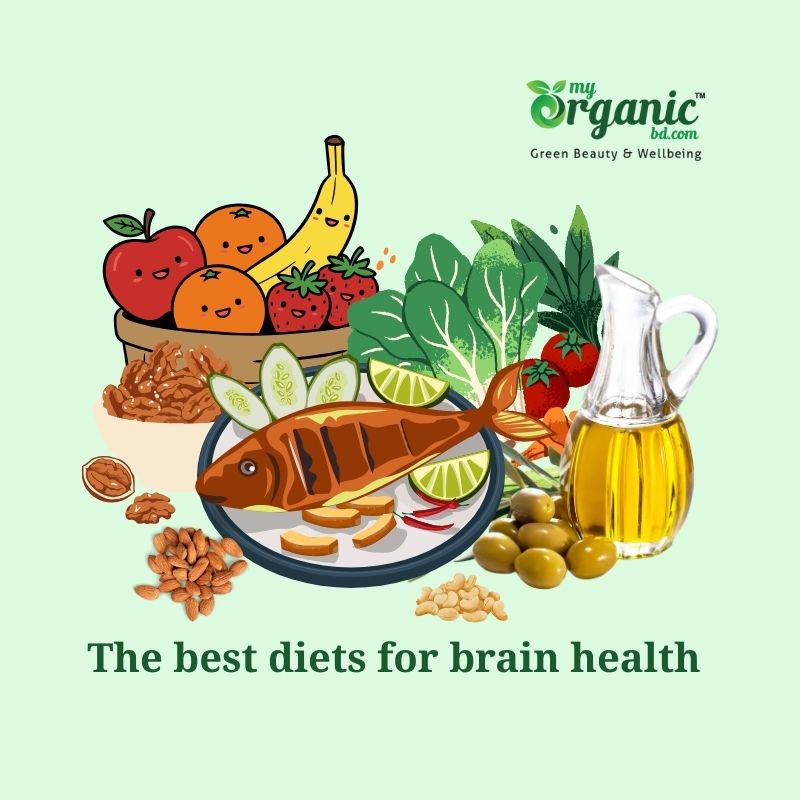
What are the best diets for brain health that support cognitive health?
We have covered a lot about brain-boosting food and nutrients. Now, it’s a good time to discuss a broader perspective, like diet. Diet is a food habit we follow for a specific wellness reason.
In today’s world, there is no shortage of diet plans. But most of those are for obesity or chronic diseases.
Now we will discuss some of the best diets for brain health, and their pros and cons.
Mediterranean diet
The Mediterranean diet was not focused on some health values. It was simply the food habits of people of the Mediterranean region. However, letter studies found a relation between the Mediterranean region’s people’s longevity and their diet. This is considered one of the healthiest diets for overall wellness.
It is also excellent for the brain. This diet includes fatty fish, olive oil, nuts, legumes, vegetables, and fruits. From our previous discussion, you can easily understand why it supports brain boost and cognition.
With a high amount of healthy fat, omega-3 fatty acids, protein, antioxidants, and fiber, the Mediterranean diet contains everything you need for the brain.
Pros
The Mediterranean diet is well researched and science-backed for amazing health benefits. It is also very easy to follow and supports the brain and health. It contains several anti-inflammatory and oxidative stress protection elements.
Cons
If you are not from the Mediterranean region, those foods can be quite expensive. Also, it is hard to get fresh food. It’s not suitable for people who want to avoid carbohydrates and grains.

MIND diet
Unlike other diets, the MIND diet is specifically made for brain health. It’s a combination of Mediterranean and DASH diets. The Dash diet focuses on preventing blood sugar and related diseases. Mind diet picks all the good elements for brain health from each diet, making it a viable diet if you are focusing on brain benefits.
Props
Designed specifically for brain protection. It can protect you from Alzheimer’s and dementia. It’s relatively easier than a full Mediterranean diet as it contains less seafood. It’s well backed by various studies. It can be an excellent choice for elderly people who are at higher risk of neurodegenerative disease.
Cons
Hard to follow as I have very little sugary food. Not good for picky eaters. It requires good planning and discipline.
High Omega-3 Diet
A high omega-3 diet focuses on consuming high amounts of DHA and EPA from fish and plant sources. Omega-3 fatty acids help build neuron membranes and improve the flexibility of neurons. It’s important for neuroregeneration, inflammation control, memory storage, and recall ability.
Pros
A high Omega-3 diet is excellent for brain protection and development. It also improves mood balance and focusing ability. Omega-3 fats are also excellent for eye and heart health. Getting omega-3 from food is the healthiest option. But getting supplements makes it even easier to maintain.
Cons
It’s hard to maintain an omega-3-rich diet as quality fish is not always available everywhere. Fish also increase mercury risk. Many people do not like the taste of fish. Omega supplements are expensive.
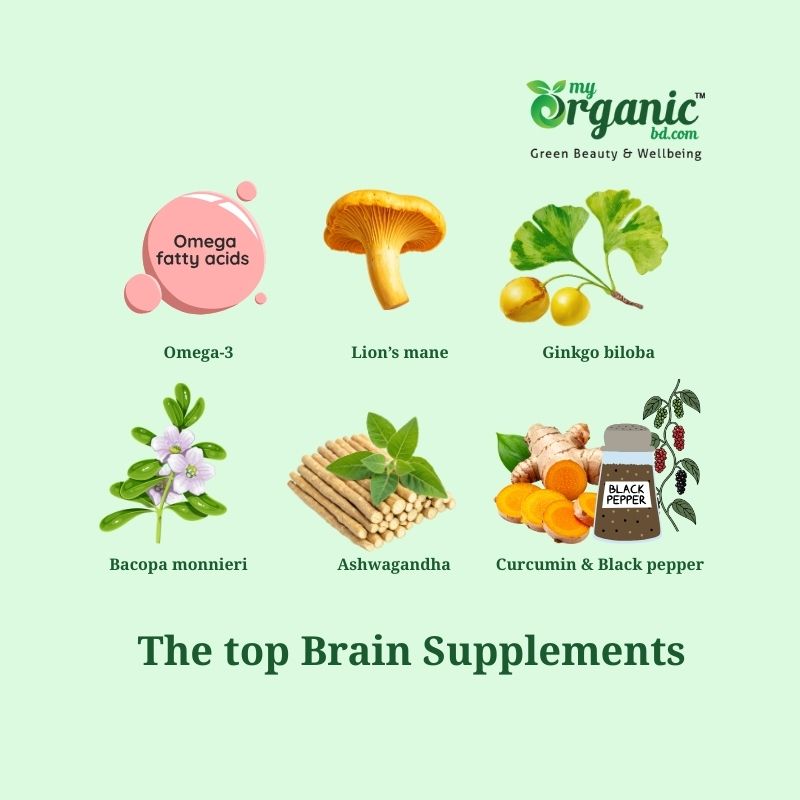
What are the top Brain Supplements?
There is no single top brain supplement for everyone. It depends on health conditions, wellness goals, and other factors.
Let’s go through some of the most effective brain supplements.
Omega-3 fatty acid
Omega-3 fatty acids are one of the best supplements for improved memory, inflammation control, and mood balance. DHA from omega-3 fat supports the structural fat of the brain. EPA works for information control. It’s great for people whose diet does not include enough fish and omega-rich foods.
Omega-3 fatty acids may help support cognitive function and protect against cognitive decline, according to the National Institutes of Health Office of Dietary Supplements. A recent review of PubMed also backs the benefits of omega-3 in brain health.
Lion’s mane
Lion’s mane can support memory, focus, and mild cognitive ability. It can support nerve growth, which enhances the neural signaling of the brain. People who do a lot of brain work, like writers, professors, can use it for their brain health and performance.
Lion’s mane may help improve cognitive impairment and help nerve ending growth, according to the Alzheimer’s Drug Discovery Foundation.
Ginkgo biloba
Ginkgo Biloba is great for a short-term brain boost and mental sharpness. It is not the most effective but still a notable benefit. It’s great for professionals and students seeking a temporary cognitive boost.
Ginkgo biloba may support short-term cognitive performance, although the results are not always consistent according to systematic findings of Cochrane Reviews.
Bacopa monnieri
Bacopa monnieri improves memory, recall, and cognitive performance when used for long-term, according to a systematic review published in the Journal of Ethnopharmacology. It is best for students, test takers, and people who are learning new skills.
Ashwagandha
Ashwagandha can improve the brain’s ability to focus, boost cognitive performance, and relieve stress, according to the National Center for Complementary and Integrative Health. It is best for people with anxiety, professionals who work under pressure, and people with sleep problems.
Curcumin + Black pepper
Curcumin combined with black pepper provides piperine, which can improve absorption and support brain health with its anti-inflammatory property, according to peer-reviewed papers. It is great for people who need inflammation control, the elderly, and students.
Please read Brain Health Dietary Supplements: An Honest Guide for Natural Cognitive Wellness.
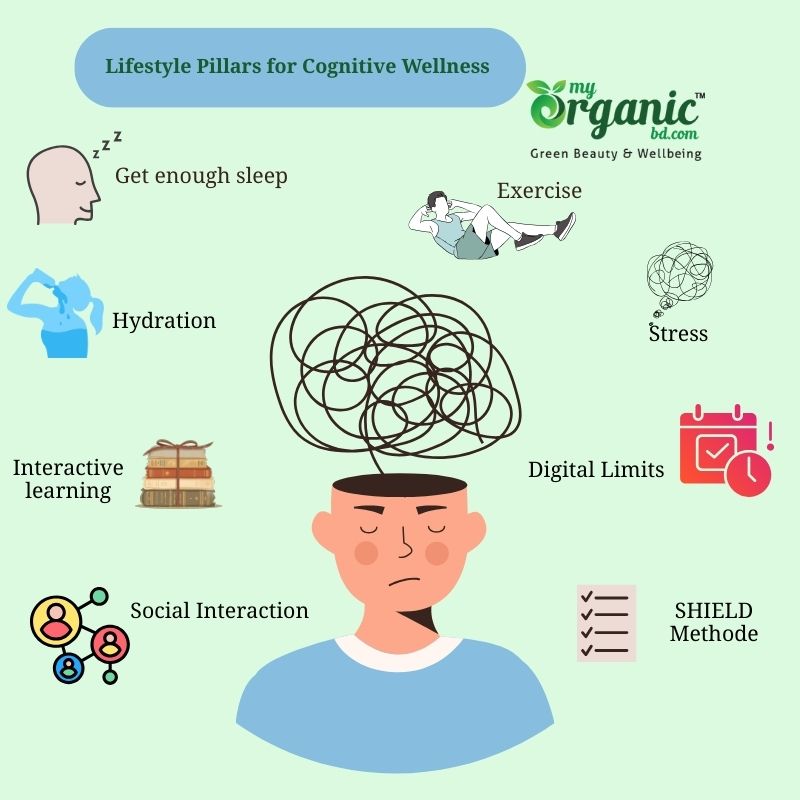
Lifestyle Pillars for Cognitive Wellness
Food is undoubtedly one of the most important factors for a brain boost. But there are more pieces to the puzzle. As our main goal is to unlock our best potential of the brain, brain wellness habits are also very relevant to this topic. Let’s discuss cognitive performance lifestyles.
Sleep
When it comes to brain health and performance, sleep works almost like magic. It’s a vital process that plays several important roles in our brain health. When we sleep, the memories of the day are stored for the long term. If you are looking to memorise your studies, sleep is like your save button in real life. Sleep also repairs brain cells,
Hydration
Water is the most fundamental part of our brain. Poor hydration can dramatically reduce the brain’s performance. Even a small drop in hydration can cause brain fog and poor performance. It causes a slow connection between neurons, reduced blood circulation, and waste removal ability of the brain. Humans have the most powerful brain in the known universe, but still we forget to drink enough water, the most crucial element for its function.
Most of us hydrate ourselves when we feel thirsty. For most of history, it did well enough to sustain our health. But today, with countless distractions around us, it’s easier than ever to forget the most fundamental needs of our bodies.
So, to counter this, make drinking water a routine work, and don’t rely solely on thirst. Also, add lots of juicy fruits and vegetables to your daily diet.
Interactive learning
Even if you get all the best nutrients, have excellent brain condition and sleep, and exercise, you have no guarantee of getting smarter. Our brain is hardwired for being lazy. You need to provide your brain with problems, leave it in challenging spots, or let it memorise important things.
Mental workout keeps your brain fit for actually, when you need it. You can not expect peak performance by just eating brain-boosting foods. One of the most effective ways to enhance your brain’s working capacity is interactive learning.
Engage with your studies, read them aloud, write them after reading, and debate about them with your friends. Those activities strengthen your brain’s neural pathways. This means your brain will learn what information is important and have clues to find it.
However, improving brain power is hard, and you can’t expect instant results. But if you are consistent enough, you will surely see a significant difference with your past self.
Social Interaction
Meaningful social interaction is one of the key factors for cognitive health. Humans did not evolve for isolation. They need to have good bonding and regular interaction with their friends, family, and people around them.
Social media is not enough, although it can play some role in connection. Our brain treats loneliness as a punishment. Being alone for a long time is a threat to survival for our brains. This can cause stress, depression, and limit your brain’s proper function.
An active social life can work as a good defense against cognitive decline and dementia, according to the Women’s Brain Foundation. It releases dopamine, oxytocin, and removes cortisol from your brain. If you are serious about brain health, being serious about your relationships is a must.
Exercise
Exercise is also an effective factor when it comes to brain health. Moving your body and working out signals your brain to be alert and pay attention. We may not realize it, but our body has evolved for surviving in nature, constantly alert for challenges and threats.
Working out signals your body that you are engaging with the environment. Workout improves blood flow in the brain, improves focus, and oxygen transport. Exercise also releases BDNF, also known as Brain Fertilizer.
BDNF promotes neuron growth, protects existing cells, and improves neural communication. Physical activity can help you think, learn, problem-solve, and enjoy an emotional balance, according to the Centers for Disease Control and Prevention.
All types of physical exercise is helpful for the brain: cardio, strength training, and even a simple walk can change the dull vibe of your day. If you are serious about brain wellness, exercise must be on your top 3 priority list.
Stress
Stress is the number one enemy of your brain. The problem is that it is hard to understand if your brain is stressed. When our brain is stressed, the cortisol level in our brain increases. Cortisol makes our brain tired, eats up motivation, and causes brain fog.
Caffeine may make you feel better as it binds with cortisol and makes you feel good again. But it does not fix the problem. Overstimulation, poor sleep, bad mood, lack of social interaction, and working under high pressure can make your brain stressed.
What you need is mindfulness, breathing properly, following simple routines, interacting socially, and staying away from unpleasant overthinking. If you pay a bit of attention to your activity and mind, you can safeguard your brain from stress.
Digital Engagement Limits
One of the greatest tragedies of today’s world is that the greatest minds are working to hijack your attention. They ensure to keep you engaged in their media as much as possible!
It’s hard to find someone who is not active on digital platforms like social media.
Every media, platform, game, to series is working to keep your eyes stuck to the screen. If you can not regulate your digital activity, the internet is enough to ruin your sanity. Consuming too much content for too long can hijack your dopamine reward center.
It makes you addicted and makes you come back again and again. This behavior of content consumption is the worst thing that happens for your brain. This builds up cortisol, ruins your focus and makes hard tasks even harder.
If you are looking to have a smart brain, you have to resist those swaps. Use digital media intentionally and with purpose. Minimize your screen time as much as possible, and engage with real-life activities.
Let your mind be bored, and then it will rediscover itself and learn to think deeply even when you don’t need to.
SHIELD Method
SHIELD is an easy-to-remember acronym to resist Alzheimer’s and dementia. It was developed by Rudolph Tanzi, PhD. Here is what SHEILD means:
S for Sleep
Sleep is crucial for optimum cognitive function. It promotes the brain’s plasticity, repairs damage, improves memory, and resets your brain every morning. You need at least 7 hours of sound sleep to function properly.
Handle Stress
Stress releases hormones like cortisol and adrenaline. It reduces the efficiency of the brain, causes brain fog, and interrupts proper signaling. Meditation, social interaction, exercise, and creative hobbies can help you handle stress.
Interact with Friends
As we discussed in the previous part, social isolation is a threat to your brain. Many studies suggest that being isolated can increase the chances of dementia and cognitive decline. Make friends, and connect with old ones. Have fun and join parties.
Exercise daily
There are tons of studies that prove the connection between a healthy brain and daily exercise. Even if you are not a gym goer, a simple free hand exercise schedule can promote your brain health more than you expect.
Learning New Things
Our brain may be lazy, but not when it faces new challenges. Learning new skills create new brain pathways, and improve memory. You don’t necessarily have to learn hard things. Try a new hobby, buy a simple music instrument or just try to sketch.
It doesn’t matter if you can’t draw or play an instrument. Just trying can be helpful for your brain.
Diet
Lastly, diet is one of the fundamental requirements for brain wellness. Make sure to keep some of the brain healthy foods in your everyday diet. Also maintain decent variety in your brain health foods.
What is a Daily Meal Plan for Brain Boost?
A brain-boosting breakfast should be based on complex carbs. You can eat whole-grain bread or toast. It will supply consistent energy for a long time. Your breakfast should also contain choline, which you get from eggs.
A healthy brain supporting breakfast should contain high antioxidants. Fruits and vegetables are great sources of antioxidants. Healthy fats are also important for a brain boost. Include avocado or olive oil in your food.
Lunch should contain a high dose of omega-3 fatty acids. You can get fatty fish like salmon for your lunch. It supports neuroplasticity and inflammation. Include complex carbs like sweet potato, brown rice. Include fiber-rich vegetables and yogurt for digestive and gut health.
Nuts & seeds, green tea, and other brain-healthy fruits are a perfect fit for your snack times. If you choose any supplement for brain boost like ashwagandha, brahmi you can take them with your tea after snack.
For dinner eat lentils, leafy greens and meat. Include food rich in fiber, folate, magnesium, and calcium. You can also add turmeric and olive oil to your food. Take your dinner a few hours before you sleep.
When it comes to the brain boosting diet, there is no one ideal diet that covers every need. A varied diet is always best, as it minimizes the chances of deficiency. Determine your wellness goal and pick the foods that align with your goal and lifestyle.
A certified nutritionist can give you a tailor made diet for brain wellness. You can get a free nutrition suggestion from the My Organic BD Team. Book a service schedule.
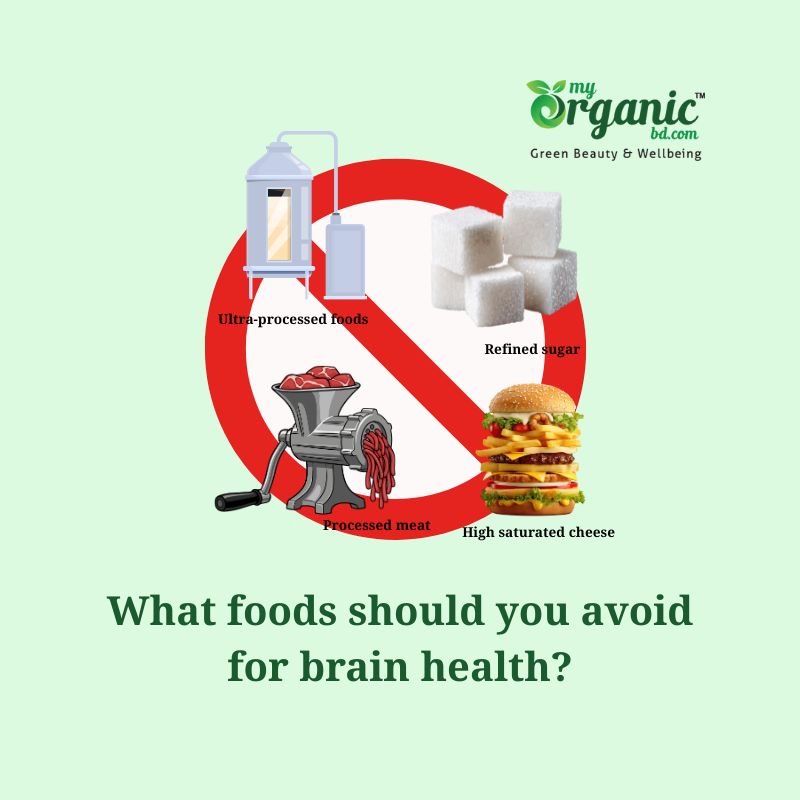
What foods should you avoid for brain health?
We live in a world where there are more problematic foods for the brain than beneficial ones. Ultra-processed foods are one of the leading causes of neuroinflammation according to Nova Classification research. Give up too much processed food completely. Rely on organic whole foods with fewer processing.
Refined sugar is worse than you might think. Insulin rush in the brain causes brain fog, fatigue, focus & cognitive issues.
Excess red meat and processed meat can cause oxidative stress in the brain. They are also bad for the brain vascular system according to Harvard T.H Chan School of Public Health.
High saturated fat like cheese can reduce brain performance in the long term. Trans fats are linked with poor memory and cognitive decline according to WHO.
Practical Tips for Implementing Brain-Boosting Diet
You don’t need radical dietary and lifestyle changes for brain benefits. Too much change at first is often not very sustainable. Let the diet and habits sneak into your days. This way, you will not starve for your favorite sugary food and leave the whole thing after a few days.
Simple food swaps can be a good starting point. Change your cooking oil to olive oil. Eat nuts for snacks instead of chips. Take ashwagandha tea or green tea instead of your junky cold drink. Instead of eating meat every day, switch 3 days to fatty fish.
Eat brown rice instead of white rice. These things should be planned in a way, you should not put much effort into reaching them. This is why planned shopping is best. Make a shopping list and get everything you need at once at the start of the week. This is how you will not forget to follow your brain diet.
FAQ: Best Diet for Brain Boost
What is the absolute best brain food?
Eggs are one of the best brain foods. It contains choline, vitamin D, and vitamin B. Some fortified eggs can also contain omega-3 fatty acids.
What drink gets rid of brain fog?
Beetroot juice can help you get rid of brain fog. Brain fog may occur due to poor oxygen supply in your brain. Beetroot contains Nitric Oxide, which improves oxygen supply to your brain.
What vitamin cuts dementia risk?
Vitamins B complex, D, E, and C have roles to protect your body from dementia. Antioxidants also play a key role.
What is the 80% rule for eating (Hara Hachi Bu)?
You should always finish eating when you are 80% full. This is a Japanese rule known as Hara Hachi Bu.
What causes brain fog, and how do you fix it through diet?
Lack of sleep, poor nutrition, lack of energy, anxiety, and many other things can cause brain fog. Food that improves blood flow, neuron flexibility, and energy can help you with brain fog.
How to flush toxins from the brain naturally?
Our brain naturally flushes toxins without any fancy supplements. In fact, clearing up the waste product in the brain is one of the top tire priorities of our body. What we can do is make sure to drink enough water, so our bodies can do their job.

Mr. Shariful Alam Pavel believes in natural living. To live a healthy conscious living, we need to eat green, live green. MyOrganic Bd is a green wellbeing brand, educating millions to live a better life with mother nature.

Dr. Goutom Banik, MBBS, MPH, is a public health researcher with extensive experience in maternal, newborn, and child health, including nutrition interventions in underserved communities. He has worked with leading organizations such as Save the Children and icddrb, contributing to national strategies on child health and nutrition. His expertise spans operational research, health systems strengthening, and community-based programs addressing childhood illness.

A Microbiologist, full time Content writer in MyOrganic Bd relentlessly trying people aware green lifestyle. Apart from working MyOrganic, he is an Environmental activitist.