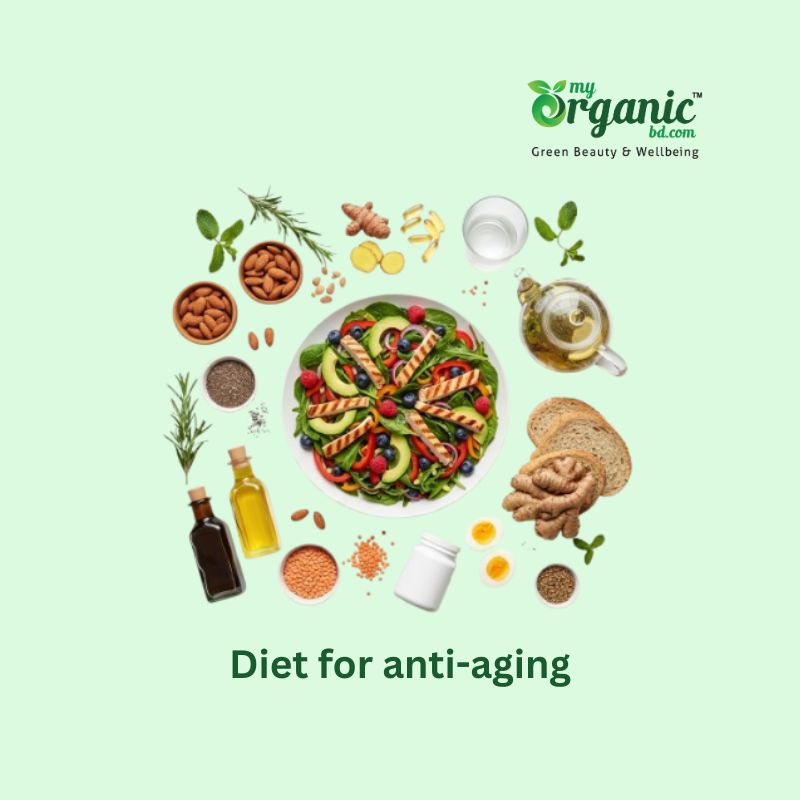
The foods we consume is crucial for healthy aging. We should follow the best diet for anti-aging for optimum wellness.
Aging is the process of life. It’s an integral part of our existence. There is beauty in every age, and humans can live a long, healthy life without being burdened by the unavoidable.
Anti-aging actually is not about stopping or slowing down your aging process magically. It aims to keep your body and mind in such an optimum condition, it does not get scratches over time. It includes taking care of each and every cell of our body.
It tries to minimize every metabolic, physical, and mental stress. Ensuring every tissue of our body is nourished by everything it needs to stop the decay of time. And surprisingly, our body does a great job when it gets all it needs.
Hi, we are Team My Organic BD. We are a team of doctors, nutritionists, dieticians, and writers, working together to create the most scientifically insightful article for the general people.
In this article, we will share the best diets for anti-aging. Also easily describe how and why it works without much scientific jargon.
Let’s start.
What is aging?
Before knowing what anti-aging is, we must understand what aging actually is. What we are trying to resist. Aging is not wrinkles in the skin or gray hair. It is the gradual decline in the body’s ability to repair itself, adapt to stress, and maintain balance.
When our body slowly loses the ability, the signs show up in our hair, skin, and joints. Actually, it’s not only the visible signs, it’s inside the core of your body. It may sound scary, but most of it can be reversible if you are seeing premature aging signs.

Here is the process of aging in short:
Telomerase Shortening
All our cells are dividing and dying every few days. Every time the cell divides, the ends of our chromosomes decay very slowly. Why does it matter? Our body’s ability to protect, repair, and maintain balance is coded in the DNA in the chromosomes. With its decay, it becomes less prone to complete those functions defectively. This lack of functionality shows up in the skin, hair, and overall metabolism. Stress, food, and lifestyle can speed up the decay of telomeres. But after all, we don’t have any control over its core function. That’s why people can hold their youth for longer, but can never escape getting old.
Cellular Senescence and Inflammation
Sometimes our cells get stressed or damaged, and they do not perform regular functions like dividing. But they stay metabolically active like a Zombie. They are caused by inflammation or stress and cause more stress to nearby cells.
Oxidative stress
It is one of the major causes of premature aging. Here is what happens. When we eat, breathe, or metabolize, a range of molecules enters or is produced in our body. Some of those molecules are free radicals or negatively charged components. All they want are electrons, and they steal them from alive cells.
This may not look very harmful, but actually, free radicals start a snowball effect. You see, when our cells lack an electron, they get it from the nearby cell, and the nearby cell does the same. This is how a chain reaction takes place, damaging millions of cells. Oxidative damage can also cause DNA damage, risking chronic diseases like cancer or heart disease.
DNA Damage
From the sunlight to metabolic byproducts, our DNA always gets some sort of damage, and our body needs care for it. Too much DNA damage from the sun or other causes can increase your rate of aging.
Mitochondrial decline
With age, our mitochondria become weakened. It not only powers our muscles and movement. It also powers all the cellular and metabolic processes. When the powerhouse is weak, our systems become weaker and less effective.
Protein Damage
Consuming too much sugar can cause a chemical change in protein called glycation. This can make the skin stiff and look older.
What are the Key Factors of aging?
Some factors can play a significant role in our process of aging. Don’t worry, it’s the last part before we start discussing anti-aging or healthy aging.
Genetics
We come with somewhat randomized genetic possibilities. Some people naturally get older faster. While others may look younger for a long time even after they age enough.
Lifestyle
Lifestyle plays a bigger role in aging than genetics. Smoking, alcohol consumption, poor diet, and chronic stress are some of the major negative factors of aging.
Environment
Exposure to UV, air pollution, and environmental pollution can affect the aging process.
Sleep and Stress
Poor sleep and having mental and physical stress can cause your aging faster.
Now we have learnt all the basics, causes, and factors affecting aging. We have a solid foundation to discuss anti-aging.

What is Anti-Aging?
Anti-aging is anything that slows, prevents, or masks the effects of getting older. It includes everything that protects our body from stress, the environment, and toxins.
Here are the functions of antiaging:
Fundamentals of anti-aging
Protection of the cell: If you want to achieve anti-aging effects, you will have to protect yourself at the cellular level. That’s where antioxidants and sunscreens become vital. Antioxidants protect you from free radicals by neutralizing them. Sunscreen protects your skin cells from the harsh UV rays of sunlight.
Support Repair System
To support the repair system, first, you need good nutrients in your body, and second, good condition for the body. What is a good condition for the body to be repaired? It’s simply sleeping 8-10 hours daily. When you sleep, compounds like NAD+, polyphenols, and retinoids get stimulated. They naturally protect your body from ageing.
DNA decay
You don’t need to worry much about DNA decay. A good lifestyle and diet will protect your DNA naturally. Stress, smoking, high sugar, and inflammation can cause bad effects on your health.
Exercise and a balanced diet
Exercise is one of the important factors for staying younger. It keeps your muscles strong and active. Exercise also improves the cellular function of your body. Regular movement can help you stay young and look young for years to come.
Inflammation Control
A large part of anti-ageing is controlling inflammation. Chronic inflammation can cause tissue damage, stress, and metabolic inefficiency.
Functional Support
With proper diet, lifestyle, and sleep, some supplements can support your healthy aging goal. Collagen, elastin, and hydration compounds can provide you with a faster and more effective effect.
What are the best foods for anti-aging diets?
Now, let’s break down every type of food that can provide anti-aging, healthy aging benefits.
Super Fruits
Fruits are your best friends for anti-aging diets. They are rich in antioxidants, vitamin C, and a lot of bioactive compounds. Berries are the most dense source of antioxidants. They also contain a good amount of vitamin C. Vitamin C also plays a key role in collagen production.
Citrus fruits can also be a great option. Oranges, lemons, and grapefruits are some of the examples of citrus fruits you can choose for your antiaging diet. Pomegranates and grapes also contain potent antioxidants like resveratrol and punicalagins. They are known for protecting telomeres and improving mitochondrial function in our body.
Please read the Healthiest Super Fruits to Eat – Best Choices for Natural Wellness.
Super Vegetables
This is no surprise that an anti-aging diet will contain a lot of vegetables. The more variety of vegetables you eat, of different colors and types, the more benefits you will unlock for healthy aging.
Leafy greens like spinach, kale, and arugula are some of the best vegetables for healthy aging. They contain vitamin K, folate, and DNA-repairing molecules.
Cruciferous veggies like broccoli, cauliflower, and Brussels sprouts contain sulforaphane. It has detoxifying abilities that help to reduce inflammation.
Vegetables like carrots, sweet potatoes, and pumpkin contain beta-carotene. Beta-carotene converts into vitamin A, which is vital for skin and hair health. Cooked vegetables may contain slightly fewer vitamins than raw or steamed ones.
Please checkout the Super Vegetables: List, Health Benefits, Types, Wellness, & More.
Healthy Fats
Fats are one of the crucial components for our cellular function and skin health. But it’s also something you need to do right. For protein, most types of protein are fine except red meat, but fats need more consideration.
Fats from seed oil, fried foods, junk food, and red meat can often cause heart disease and obesity. For fats, you must stick to healthy fats like fatty fish such as salmon, sardines, and mackerel. Those fish contain anti-inflammatory abilities and protect brain health. please read Healthy Fats: Organic Source, Benefits, and Nutrition Guide to know more.
Nuts and seeds are also a great source of healthy fats. They are rich in vitamin E, selenium, and omega-3 fatty acids. They can improve skin elasticity and provide antioxidant effects. For cooling, olive oil is one of the best options for anti-ageing goals.
Proteins
Protein is the building block of our body. Without proper intake of protein, our bodies’ repair, growth, and immune system become weaker. This can also trigger an inflammatory response.
Chicken, turkey, and legumes are some of the protein-rich foods. Bone broth and fish skin are rich in collagen, which is vital for skin and joint health.
Plant-based food like tofu, tempeh, and edamame contains isoflavones, which work like estrogen for skin and bones.
Whole Grains and Legumes
Quinoa, oats, and brown rice are some of the richest sources of dietary fiber. They provide complex carbohydrates that do not raise blood sugar instantly. This results in stable availability of energy without sugar spikes.
Sugar spike is one of the major reasons for inflammation in the body. Lentils, chickpeas, and black beans are also great options for complex carbs and plant-based proteins. They are also known for their prebiotic abilities.
Spice and Herbs
Some spices and herbs contain bioactive compounds that can provide anti-aging benefits. Turmeric contains curcumin, which is a strong anti-inflammatory molecule. Consuming turmeric can also reduce oxidative stress in the body. Ginger contains gingerol, which improves blood circulation and reduces inflammation.
Garlic supports heart health and improves antioxidant activity in the body. However, as they have potent effects, make sure to consume in moderate amounts. They can also interact with different medications, so consume the proper amount.
Drinks
There are different drinks that can provide you with anti-aging benefits. Green tea contains EGCG, which has DNA protective ability. It also improves autophagy function in the body. It also comes with potent antioxidant power.
Coffee in moderation can improve your mental clarity, reduce stress, and keep you energetic. Water is your best friend for proper metabolism. Make sure you are getting enough of it.
Supplements
There are some supplements that contain specialized components for anti-aging properties. Resveratrol activates a protein called sirtuins, known for its DNA fixing effects according to many studies such as the University of Hong Kong .It is naturally found in red grapes, red wine, and peanuts.
Quercetin is an anti-inflammatory molecule that is linked with anti-aging properties. NAD+ precursors are also popular supplements for anti-aging. They improve mitochondrial function and efficiency. They can be found naturally in milk, yeast, and whole grains.
What are the wellness benefits of anti-aging?
Anti-aging does not just mean looking younger and masking your age. When you practice an actual anti-aging diet, you improve your body’s function and metabolism from a fundamental level. It targets minimizing stress and maximizing repair and growth.
So what does that mean for your health? As you can guess, it can improve the overall wellbeing from head to toe. First, you will get the usual anti-aging benefits – Better skin, reduced wrinkles, less dryness, and sagging. It improves elasticity and glow in your body. Also protects you from UV damage.
An anti-aging diet and lifestyle improve your brain health and cognitive function. It improves your memory, focus, and mood. One of the best benefits you will get is long-term heart health. Inflammation and oxidative stress are both responsible for chronic heart disease. Antiaging primarily targets to minimize those stress factors.
An anti-aging lifestyle can improve your muscle and bone health. It can reduce your risk of osteoporosis and weak bones. Improving mitochondrial function is another major part of anti-aging. So you can also expect to have better energy and metabolism. It can also improve blood sugar and insulin sensitivity.
Anti-aging nutrients also help boost the immune functions of our body. With lower inflammation and better immune function you can expect less disease, a healthier lifespan.
With nutritious food, physical activity, and proper sleep, you can also achieve hormonal balance and vitality. So, as you can see, only focusing on anti-aging covers almost all the aspects of your wellness.

What are the best diet plans for anti-aging?
There are different approaches you can take depending on your routine and lifestyle. Let’s look at what an anti-aging diet plan looks like. You can always change and adjust according to your own taste and preference.
Start the day with green tea or lemon juice. It will provide an antioxidant and detox boost to your body. For breakfast, go for oatmeal, chia seeds, and flaxseeds. You can enjoy it with honey and berries.
Whole-grain toast with avocado, tomato, and olive oil is also a good breakfast option.
For the launch, you can eat half a plate of vegetables and half a plate of lean protein like lentils, beans, fish, or chicken. Use olive oil for cooking and dressing your lunch.
For a snack between meals, eat edamame, almonds, or peanuts, or health-friendly snacks. Enjoying a tea with turmeric, ginger, or garlic can provide your body with anti-aging support.
For dinner, choose steamed or roasted veggies seasoned with olive oil. Lentil soup, fatty fish, and chicken are some of the good protein options for dinner. Small potatoes or whole grains can add healthy carbohydrates to your system. Greek yogurt is an excellent probiotic option for your dinner plate. Before sleep, you can eat herbal tea like tulsi or ashwagandha which can provide you with an added anti-aging effect.
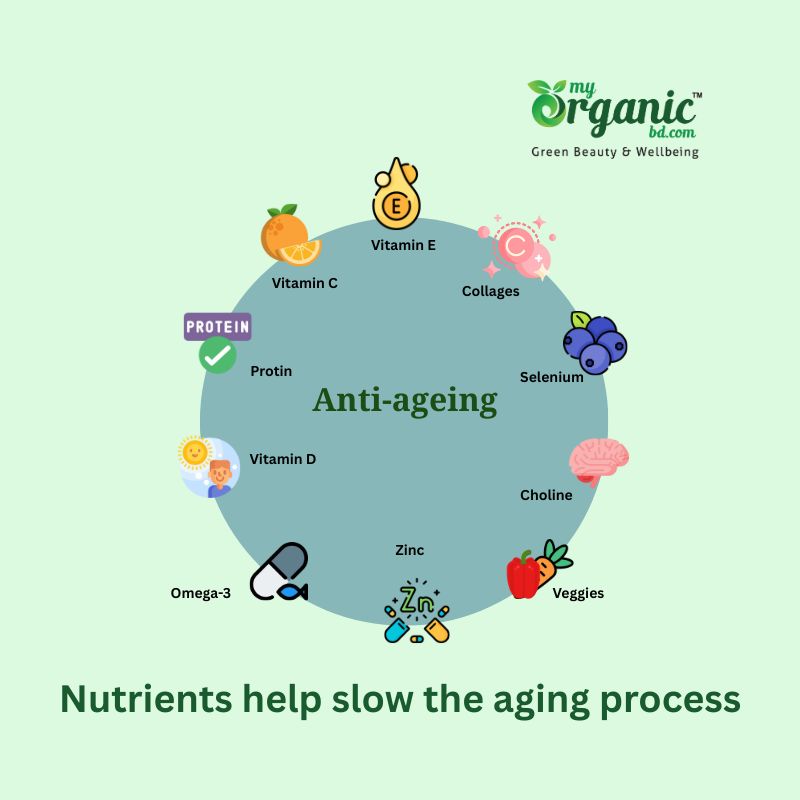
What nutrients help slow the aging process?
Some nutrients deliver direct anti-aging wellness support.
Here are the short list of nutrients for healthy aging –
- Vitamin C
- Vitamin E
- Collagen peptides
- Calcium
- Vitamin K2
- Protein
- Polyphenols
- Selenium
- Vitamin D
- B vitamins (B6, B12, folate)
- Coenzyme Q10 (CoQ10)
- NAD+ precursors
- Phosphatidylserine
- Choline
- L-Theanine
- Carotenoids
- Omega-3 fatty acids
- Magnesium
- Zinc
How does intermittent fasting affect aging and longevity?
Intermittent fasting is one of the most studied diets in recent years. Different research shows that there are strong connections between intermittent fasting and anti-aging effects.
Fasting triggers our body’s cleanup process, which recycles damaged protein and cellular parts. Those damaged proteins often cause age signs. Intermittent fasting improves the energy efficiency of the body, reducing oxidative stress and inflammation.
Intermittent fasting also activates genes related to longevity. This may help repair and protect DNA. Fasting also improves insulin sensitivity and blood sugar control. Studies have also shown that fasting boosts BDNF in the brain, which improves learning, focus, and neuroplasticity. It is also linked with better heart health and cancer risk.
What are the worst foods for aging, and why?
There are a lot of regular foods that are bad for longevity and anti-aging. If you are looking for anti-aging benefits, you must exclude those from your daily diet.
Sugary Food
Refined sugars increase your sugar spikes in blood, causing inflammation that can damage cellular health. It can also cause chronic diseases like diabetes in the long term. Sugar can also cause glycation of collagen and elastin. This results in the skin being stiff and less elastic. Those proteins have a longer life! Even if you change your diet, it will take some time to get to normal skin. So, if you are into anti-aging, sugary foods are a big NO-NO.
Trance, fat, and fried food
Hydrogenated oil from fries and snacks can trigger metabolic inflammation, causing stiffer cell membranes. This results in stiffer skin and dryness. Those fats also increase your risk of heart disease and obesity. So stick to healthy fat and avoid food with trans fat.
Processed meat
Processed meat, such as sausage and bacon, contains a high amount of nitrates and sodium. They are also high in advanced glycation end products. Those components contribute to oxidative stress and inflammation. They also affect healthy collagen production and increase the risk of cardiovascular disease.
Refined Carbs
Refined carbs function similarly to simple sugar. They quickly convert to sugar and increase the blood sugar level. They lead to glycation of protein and chronic inflammation in the body. But similar to sugar, refined carbs like white rice and wheat are addictive.
When you eat them, you feel full and energetic quickly, which releases happy hormones in the body. So we come back to them over and over. That’s why you may notice high fiber, low GI foods don’t feel that fulfilling. But, in the long term, refined carbs are bad for health and beauty.
Alcohol
Drinking too much alcohol can burn up your vital vitamins like B and C. Those vitamins are used up in repairing the liver and metabolism. Alcohol also causes dehydration and increases systemic aging. Consuming alcohol regularly is actually an easy way to get older quickly.
Highly processed packaged food
Most of the processed foods contain high sodium, preservatives, and artificial additives. These can cause inflammation and may cause obesity if you are not mindful. Change those snacks into nuts, edamame, fruits, and other healthy alternatives.
Should you follow a specific anti-aging diet plan?
Not actually in short. Diets like the Mediterranean diet are proven excellent for antiaging. Intermittent fasting has great healthy aging benefits. You can always try or incorporate parts of them in your diet. But they are compulsory.
If you know what food and activities help you and how they work. You can make your own antiaging meal plan depending on your taste and preference.
If you have issues, serious about an anti-aging diet, meeting a dietician helps you make a personalized diet plan for you.
If you need, ask for support from our diet experts who can help you through online. Schedule your meeting now.
Final Thoughts : Diet for anti-aging
An anti-aging diet is not a magic pill. It’s all about focusing on nutrient-dense food and a healthy lifestyle. It takes a lot of effort and patience to see real change in your body. But the good news is that an anti-aging diet will improve your health at the metabolic level.
You will feel happier and energetic within a week. And if you continue living well, the result will show up in your wellness. Happy living!

Mr. Shariful Alam Pavel believes in natural living. To live a healthy conscious living, we need to eat green, live green. MyOrganic Bd is a green wellbeing brand, educating millions to live a better life with mother nature.

Dr. Goutom Banik, MBBS, MPH, is a public health researcher with extensive experience in maternal, newborn, and child health, including nutrition interventions in underserved communities. He has worked with leading organizations such as Save the Children and icddrb, contributing to national strategies on child health and nutrition. His expertise spans operational research, health systems strengthening, and community-based programs addressing childhood illness.

A Microbiologist, full time Content writer in MyOrganic Bd relentlessly trying people aware green lifestyle. Apart from working MyOrganic, he is an Environmental activitist.